Capacity-Building Mission Strengthens Efforts to Combat Vulture Killings in The Gambia
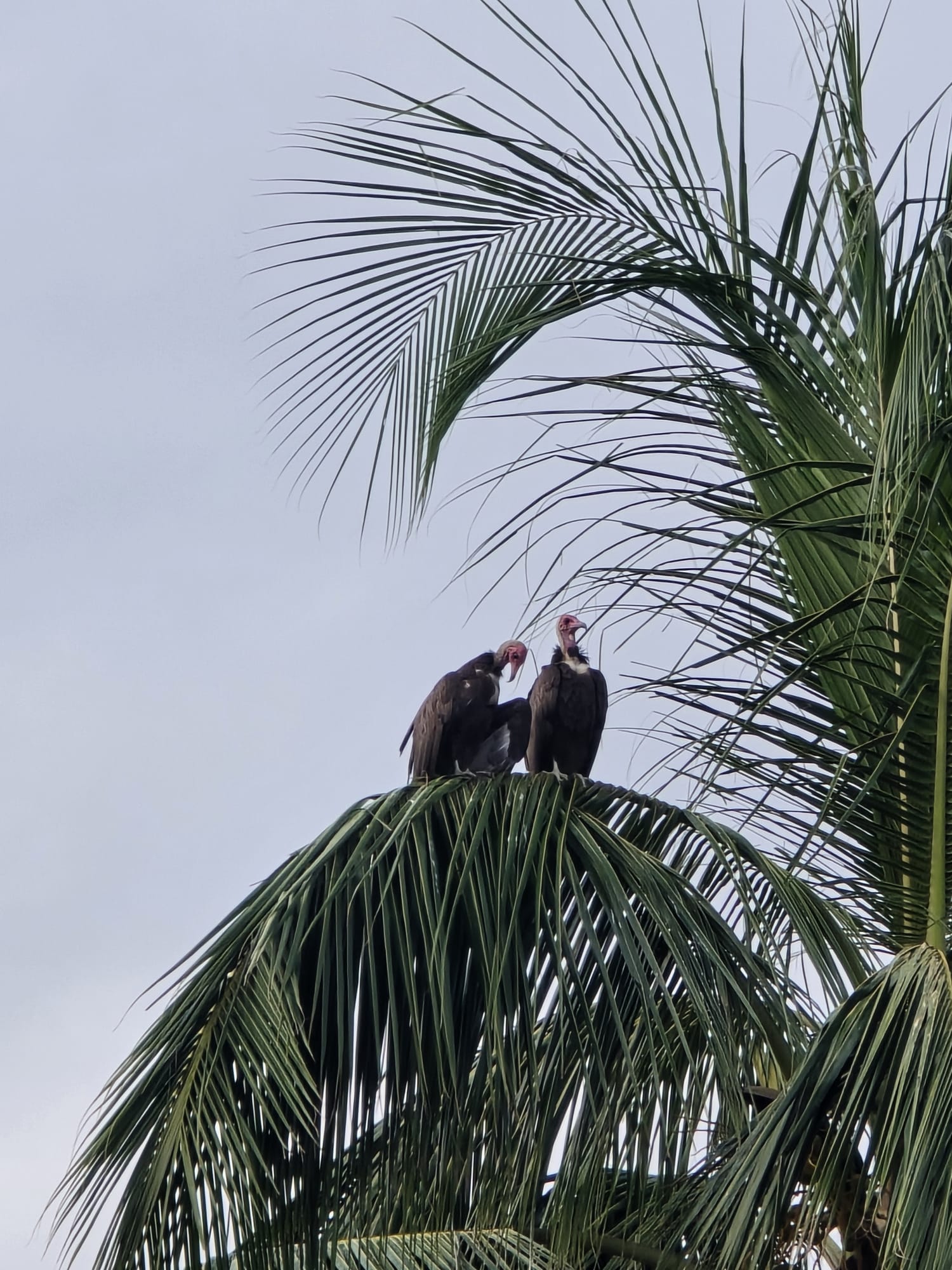
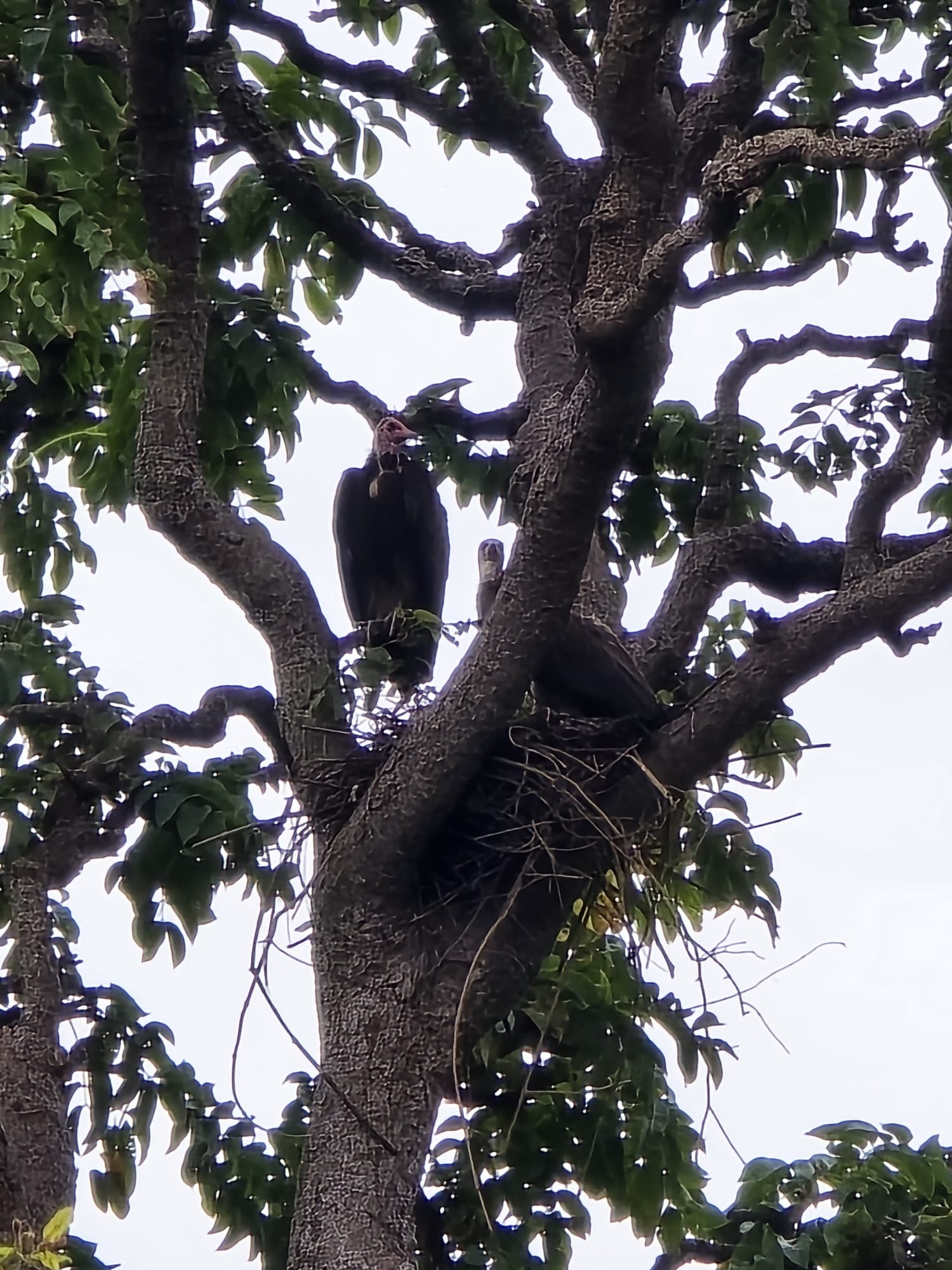
Abu-Dhabi, 24 November 2025 – An urgent, high-impact five-day mission in The Gambia from 11-15 November 2025 has successfully strengthened local capacity to respond to wildlife crime and developed a basic national vulture conservation action plan. The training culminated with the GPS-tagging of a Critically Endangered hooded vulture (Necrosyrtes monachus).
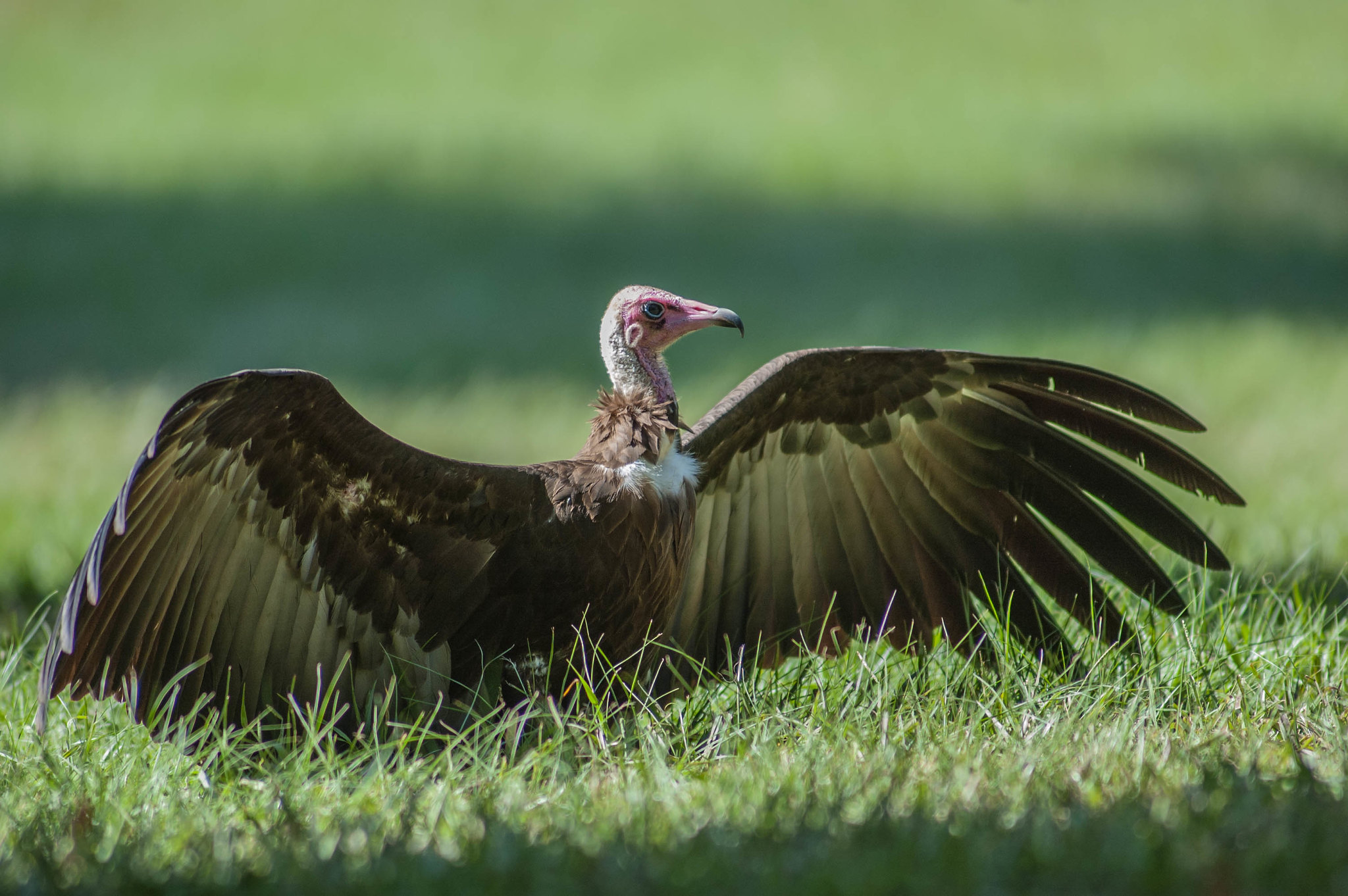
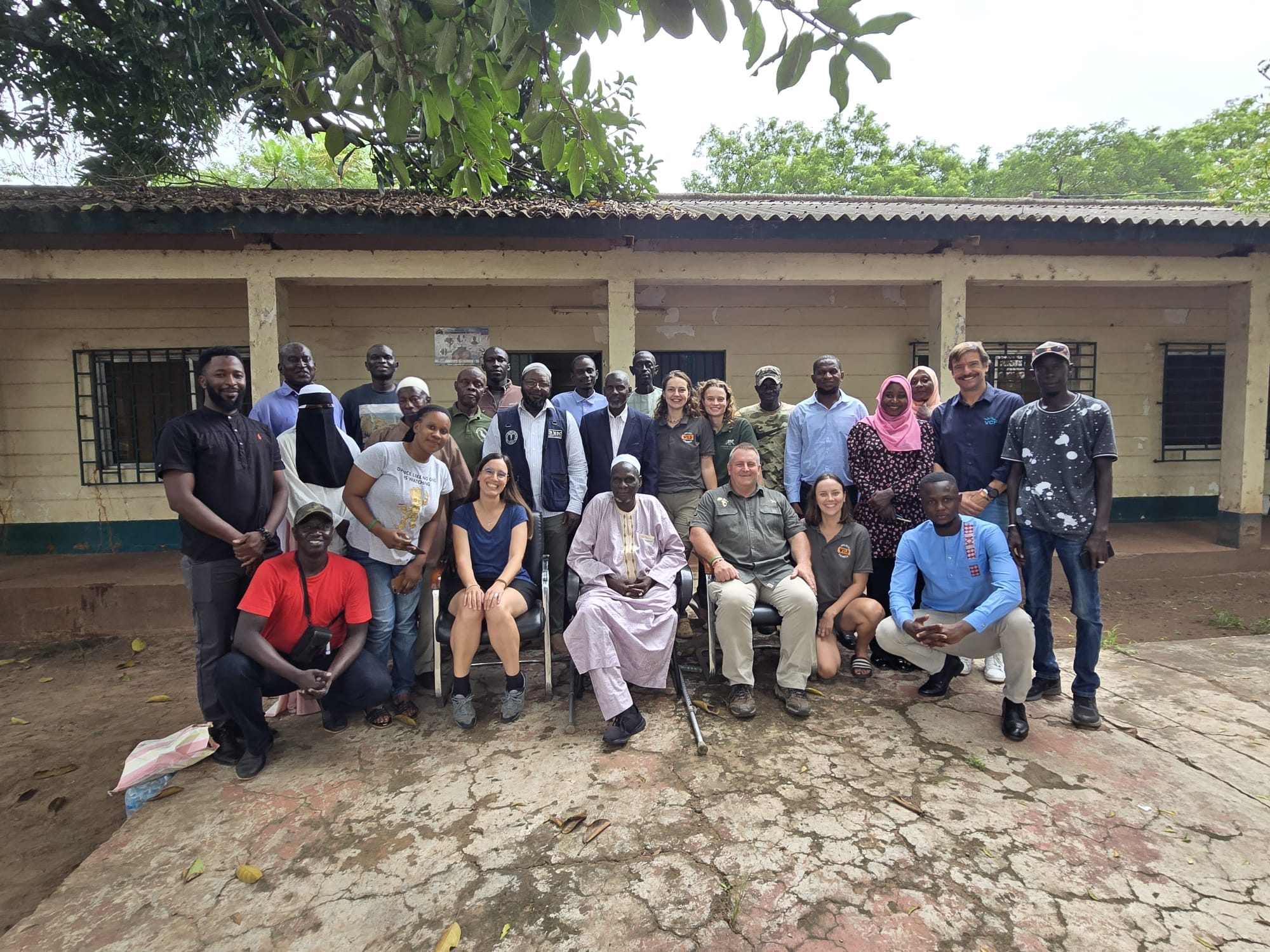
The mission was launched at the request of the Gambian government in response to the five mass poisoning incidents between May and July 2025 that claimed nearly 100 Hooded vultures (Necrosyrtes monachus) in The Gambia. It brought together government officers, rangers, NGO staff, local stakeholders, and international vulture experts for five days of intensive training and fieldwork.
The effort, led by the Memorandum of Understanding on the conservation of migratory birds of prey in Africa and Eurasia (CMS Raptors MOU), the Vulture Conservation Foundation (VCF) and BirdLife International, in partnership with the West African Bird Study Association (WABSA) and the Gambian Department of Parks and Wildlife Management, is a turning point in the fight to protect the Critically Endangered Hooded vulture. The Gambia is, in fact, one of the last strongholds for the species.
West Africa Vulture Conservation Plan
The Vulture Multi-Species Action Plan was adopted by CMS COP12 in 2017. Since then, it has guided conservationists across Africa and Eurasia working to protect these crucial elements of our biodiversity. The dramatic decline of raptors in West Africa prompted CMS to adopt the West Africa Vulture Conservation Plan (WAVCAP) in 2025. WAVCAP is a regional implementation tool addressing the most serious threats in the region: belief-based use of vulture parts and other forms of poisoning. It also prioritises building the capacity of wildlife rangers, veterinarians, and local communities in responding to poisoning incidents.
One mission: empowering the local conservation network
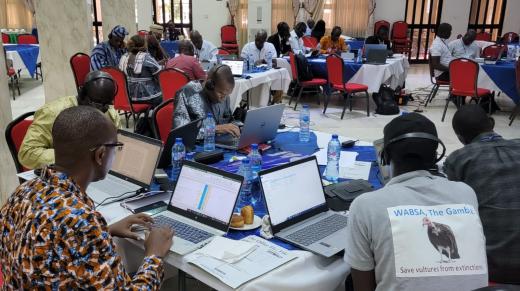
The training focused on investigating poisoning events, collecting toxicological samples, safely managing carcasses, and establishing rapid-response protocols.
“It was inspiring to witness the dedication and passion each of you brought to the discussions and activities, all aimed at addressing the critical issue of vulture poisoning in our region,” said Lamin Jobaate, Executive Director of WABSA, in a message to participants, facilitators, and organising committee members.
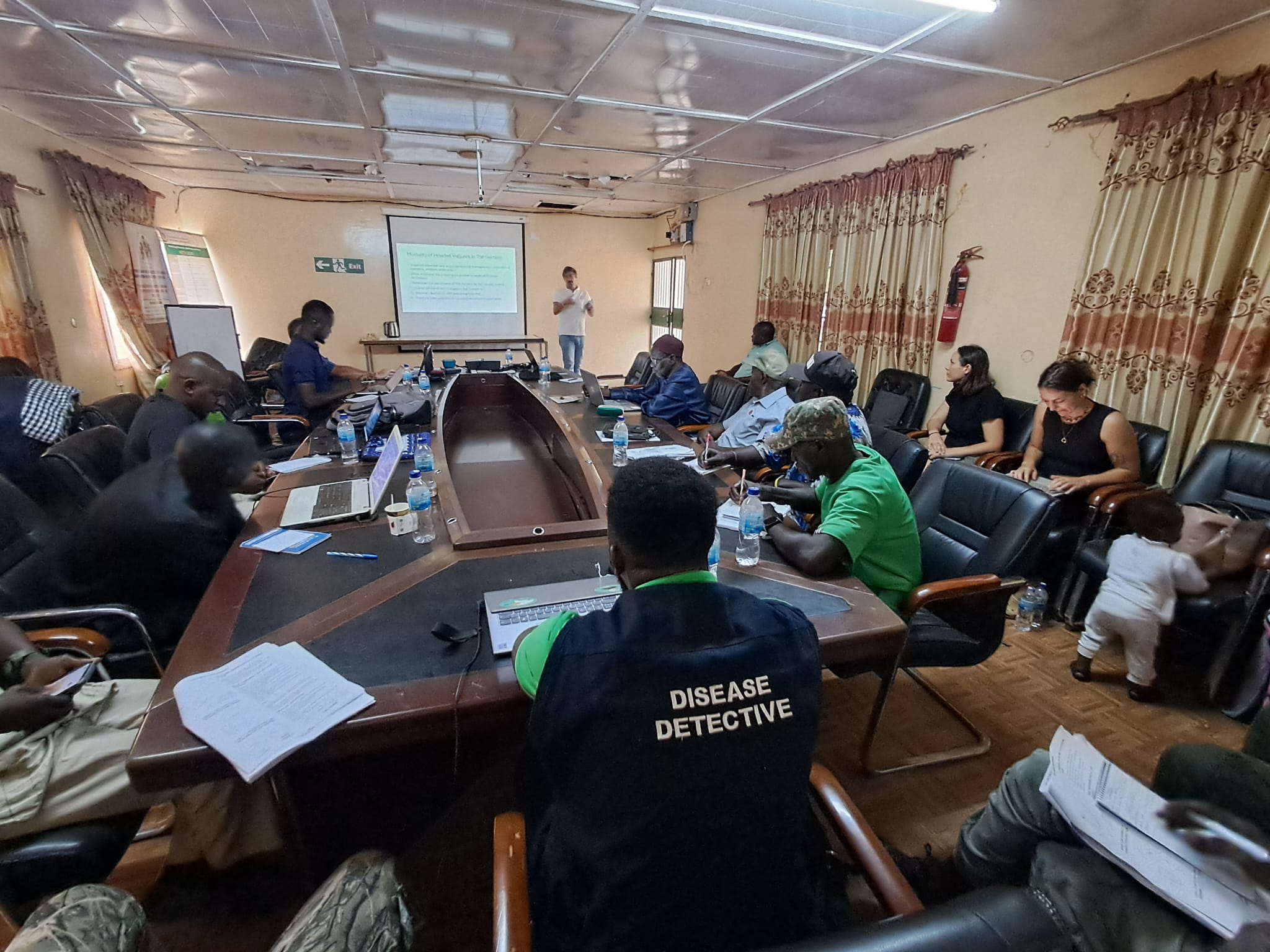
The 20 workshop participants developed a fledgling national vulture action plan, identifying the Hooded vulture as the main priority species for action, the intentional poisoning for belief-based use as the main threat in the country, and agreed on seven basic actions that, if implemented, would go a long way towards delivering significant vulture conservation outputs and help fulfil the West Africa Vulture Conservation Action Plan.
Over the course of the mission, participants gained hands-on experience both in classroom settings and in the field. The training included a practical session on forensic necropsy and sampling, so that appropriate samples can be collected and stored for analysis when poisoning events occur.
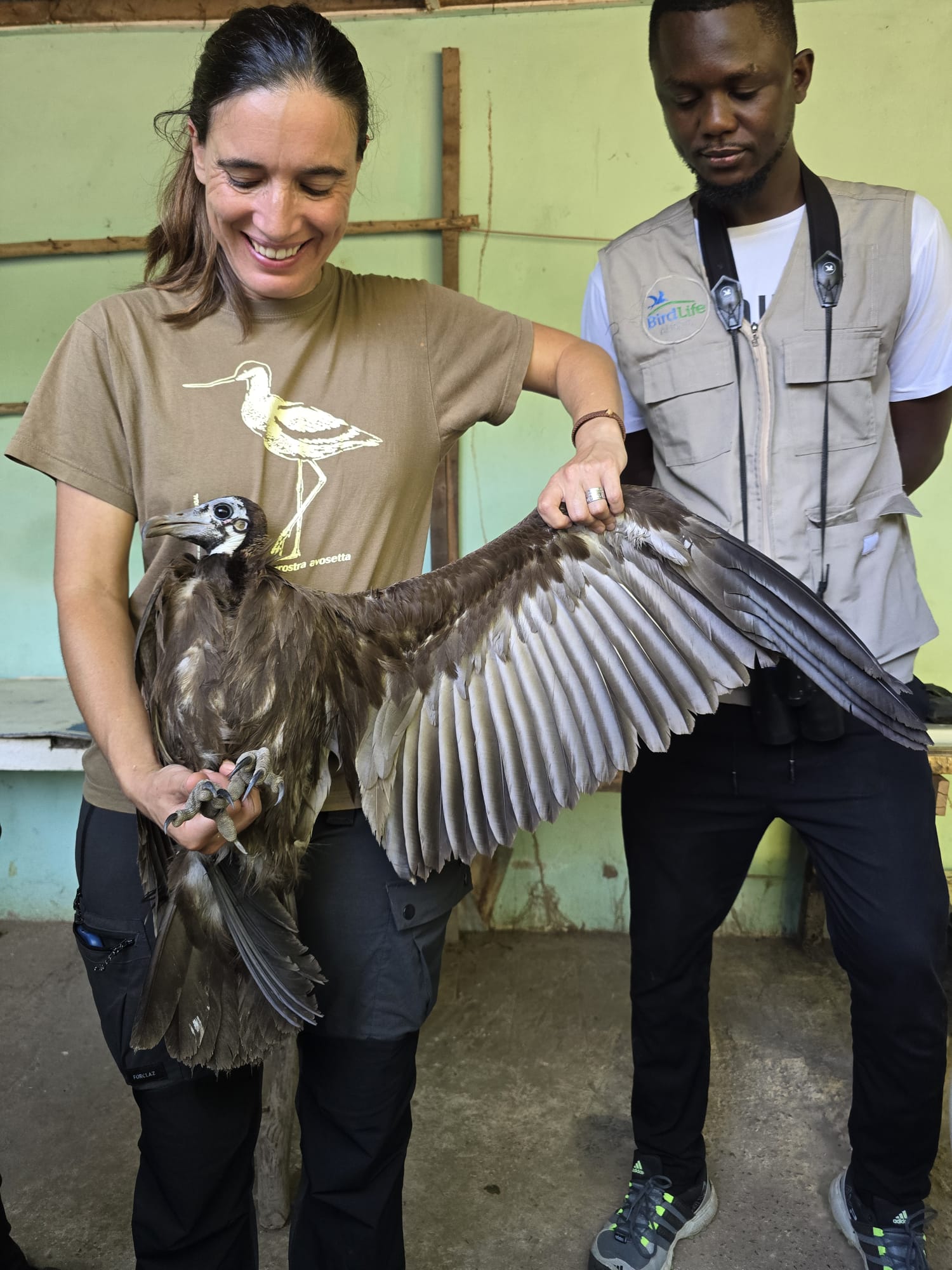
On the last day of the mission, mentors and participants got together in the field to trap a Hooded vulture for monitoring purposes. The individual, safely captured and handled, was equipped with a GPS tracker donated by the VCF. Thanks to this team effort, it will now be possible to remotely monitor its movement and condition, allowing the local team to learn more about the species' behaviour and guide future protection strategies.
Building knowledge and community
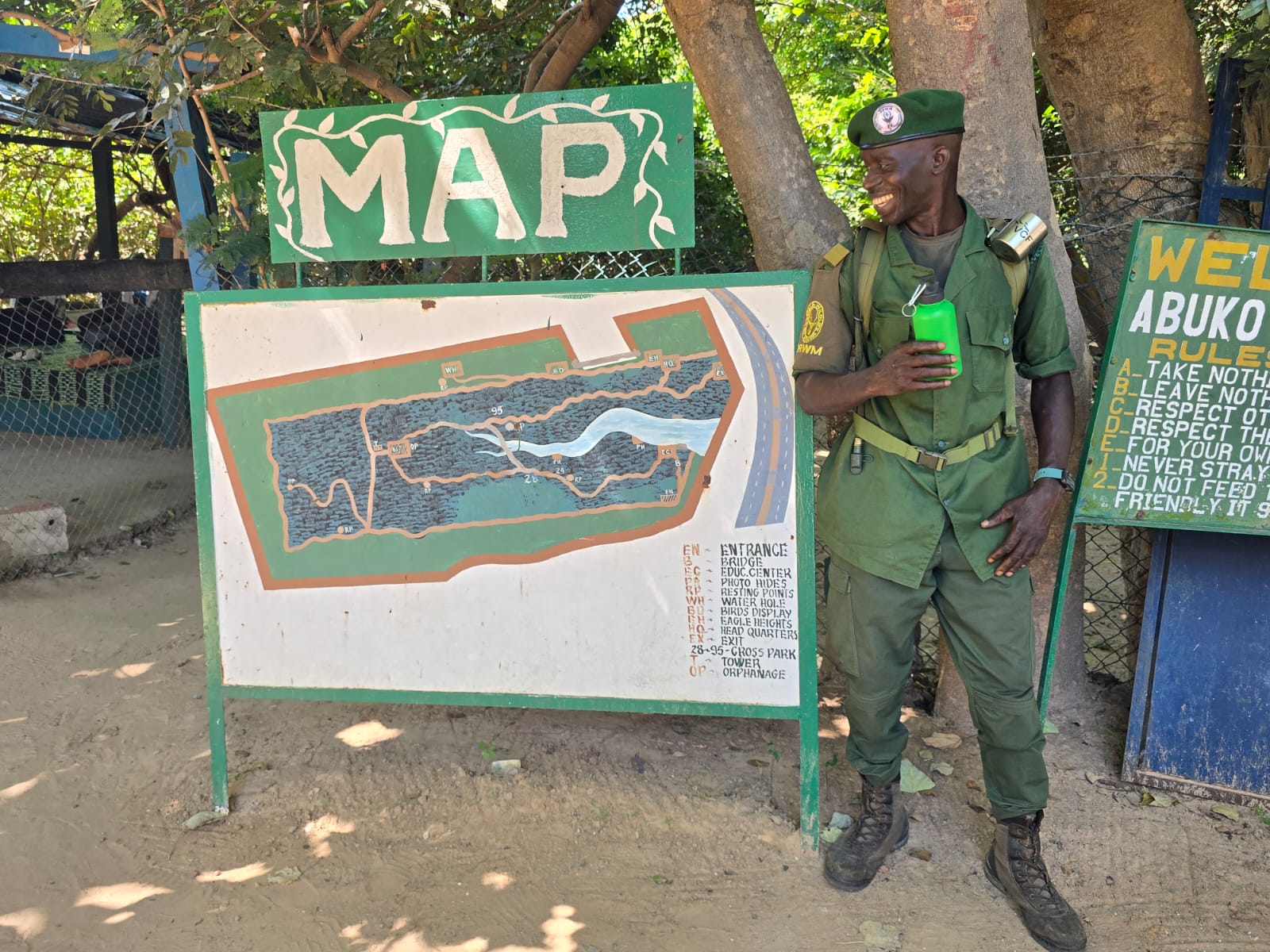
The mission also intensified collaboration among NGOs and government partners to build a robust reporting and response network. Together, they are developing clear protocols to respond to poisoning incidents quickly and effectively, preventing further mass vulture mortality.
“It was impressive to see the steps already taken in the past, and the engagement of both the Gambian civil society and government agencies, for Hooded vulture conservation. With some help and funding, I am convinced we could go a long way!” said José Tavares, the VCF Director, who co-led the mission.
Rouba Abou-Atieh, Executive Coordinator of the CMS Office - Abu Dhabi, added: “We are grateful to the Gambian Government for welcoming this international expert team and for its commitment to safeguarding vultures. This mission demonstrates how collaboration, shared expertise, and a united response can strengthen conservation efforts across regions. At CMS, we firmly believe that nature knows no borders, and neither should our cooperation.”
The commitment from all involved has laid a strong foundation for long-term vulture conservation in The Gambia. The knowledge and skills gained during this training will empower the local community to develop their strategies to prevent and combat wildlife crime. This training is a powerful example of how international collaboration in the conservation community can make a difference for nature and people.
The missions partners:
Gallery images
![By Francesco Veronesi from Italy (Hooded Vulture - Gambia 17_CD5A2707) [CC BY-SA 2.0 (http://creativecommons.org/licenses/by-sa/2.0)], via Wikimedia Commons](/sites/default/files/styles/teaser_520_520/public/2026-07/Hooded_Vulture_-_Gambia_%2832527881161%29.gif?itok=z4NCMdVa)