The Egyptian Vulture New LIFE Project: Celebrating success
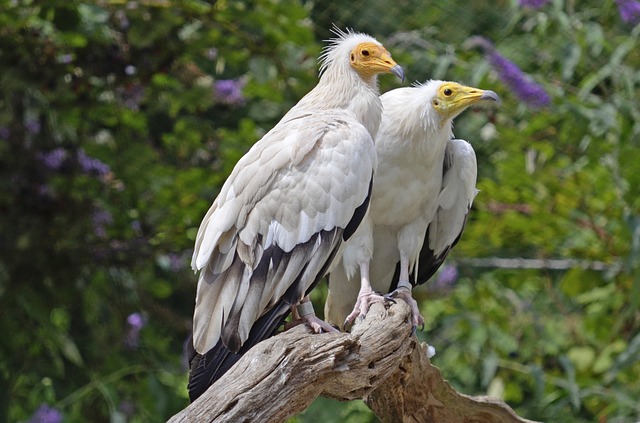
The Egyptian Vulture is one of the most threatened raptors on the planet; classified as Endangered at global level and listed in Category 1 (Globally Threatened and Near Threatened species) in the Raptors MOU.
Due to poisoning, poaching and electrocution, its population in the Balkans has declined by more than 80% over the past 30 years. To conserve this crucial population, the Raptors MOU has partnered with over 20 organizations from 14 countries, led by the Bulgarian Society for the Protection of Birds, to develop and implement the Egyptian New LIFE Project. Cofounded by the LIFE programme, the European Union funding instrument for environment and climate action, the project is one of the most ambitious conservation ventures in the history of vulture conservation.
As the project draws to an end, we celebrate the success and crucial progress it has achieved: the stabilization of the easternmost European Egyptian Vulture.
Of particular note, the project:
- Addressed specific threats such as poisoning, electrocution, the use of Non-Steroidal Anti-inflammatory drugs, and illegal killing at a transcontinental scale.
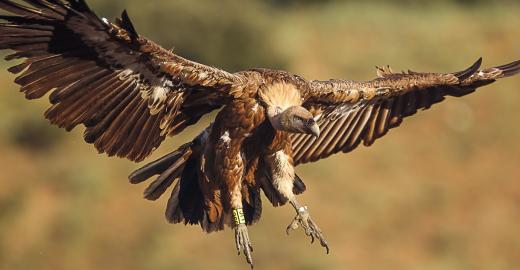
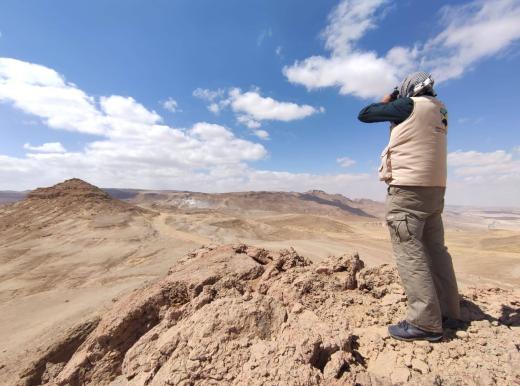
- Over 60 vultures were tagged, providing the science to inform conservation actions.
- Over 500 environmental inspectors, police officers, rangers, foresters and vets were trained in anti-poison and anti-poaching activities, and over 100 poison baits removed. Their work was supported by a poisoning database, sensitivity maps and national anti-poisoning roadmaps.
- Over 1,500 hazardous electricity poles were insulated in 6 countries across the flyway.
- Significant efforts were made to ban Diclofenac and other non-steroidal anti-inflammatory drugs (NSAIDs) for veterinary use in Jordan, Saudi Arabia and Syria.
- A measurable reduction of illegal killing in Lebanon, one of the hotspots for vulture persecution along the Eastern flyway, was achieved through the Responsible Hunting Initiative.
- A West Africa Vulture Conservation Plan was developed, addressing the belief-based use of vultures, and building on the successful reduction of the use of vulture parts by Nigerian healers who agreed to use plant-based alternatives.
- 32 young Egyptian Vultures were released under the captive breeding programme.
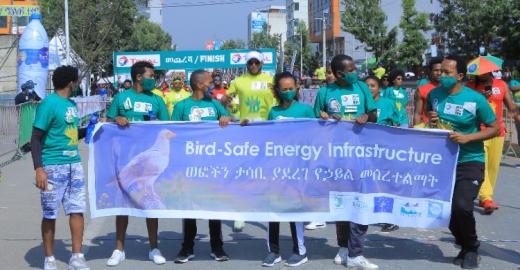
- Over 4,000 students in 100 schools were involved in awareness-raising and education initiatives that reached an estimated 31 million people from 185 countries via 200+ events and 220,000 printed materials.
As a result, the eastern-most European Egyptian Vulture population has stabilized for the first time, after decades of decline.
The Egyptian Vulture Conference (November 2022), provided the opportunity to present through over 60 contributions the latest research on the species to the scientific community. Dr. Stella Egbe – a young conservationist working to curb the belief-based use of vulture parts in Nigeria – was presented with the Nick Williams Conservation Award, named after the late head of the Raptors MOU.
An inspiring short documentary and a non-technical report detail the range of actions taken from the Balkans to the Arabian peninsula, East and West Africa under the Egyptian New LIFE Project.