New international LIFE Project to make power lines safer for Europe’s most threatened raptors
Cover photo: © Dimitar Gradinarov
An innovative partnership between the energy sector and leading conservation organisations is at the heart of a new international LIFE project aimed at protecting some of Europe’s most threatened birds. By bringing together electricity distribution expertise and frontline biodiversity knowledge, the initiative demonstrates how cross-sector cooperation can deliver practical, large-scale solutions for wildlife conservation.
The project, titled “Reduction of mortality risk on globally endangered birds through retrofitting of hazardous overhead power lines in South-eastern Europe” (EP for Birds LIFE), is led by Elektrorazpredelenie Yug EAD (EP Yug), part of the EVN Group, in collaboration with the Bulgarian Society for the Protection of Birds (BSPB), EVN Macedonia, the Macedonian Ecological Society (MES), and the Turkish environmental NGO DOGA under the EU LIFE Programme.

Project No. 101216021 - LIFE24-NAT-BG-EP for Birds LIFE
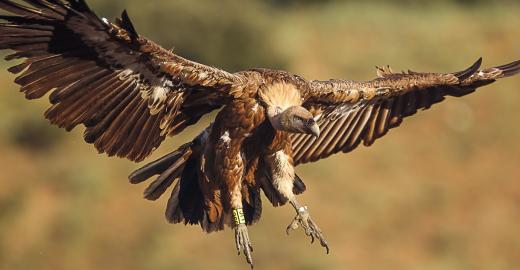
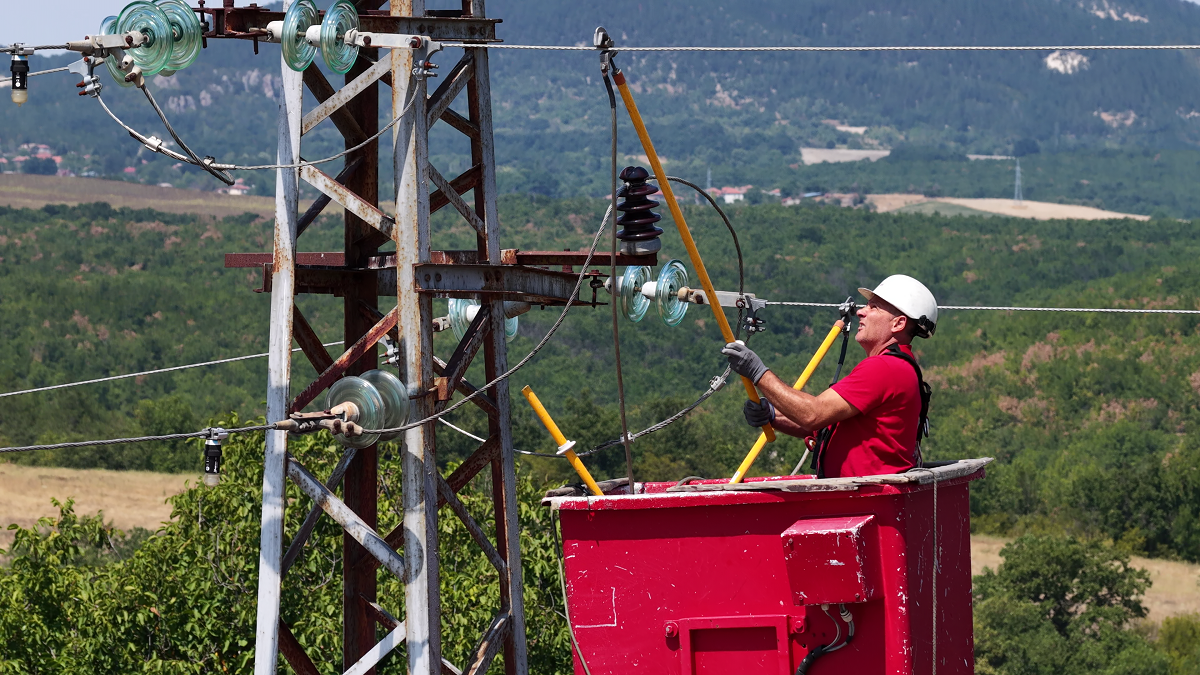
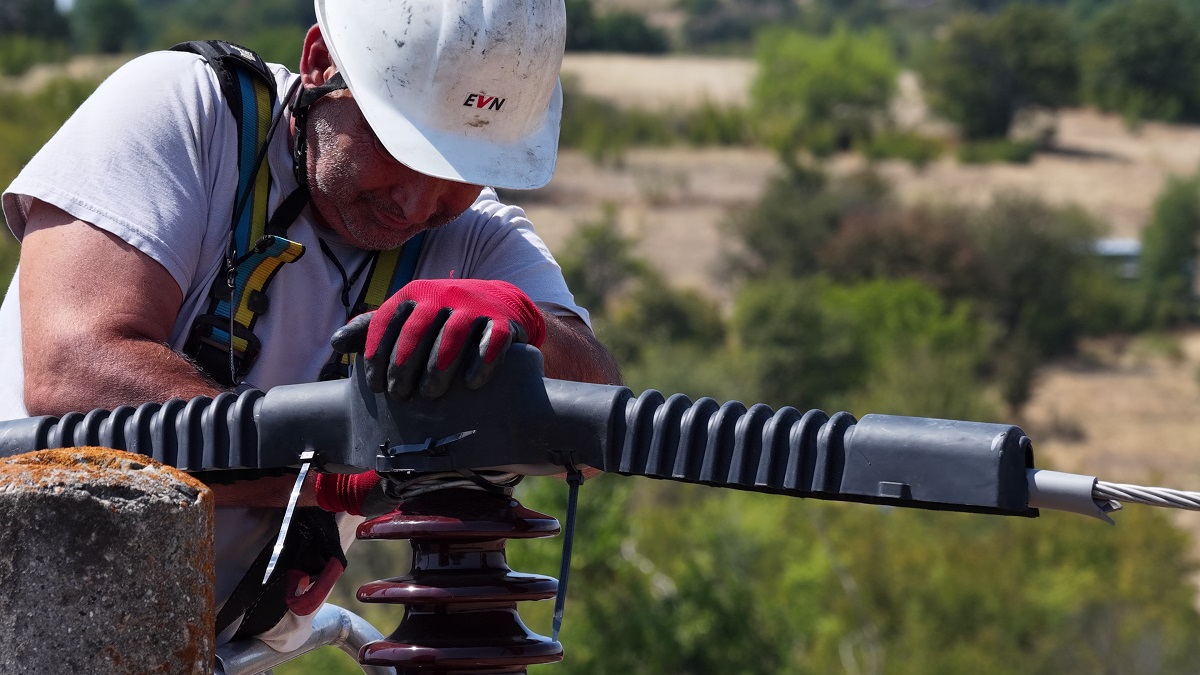
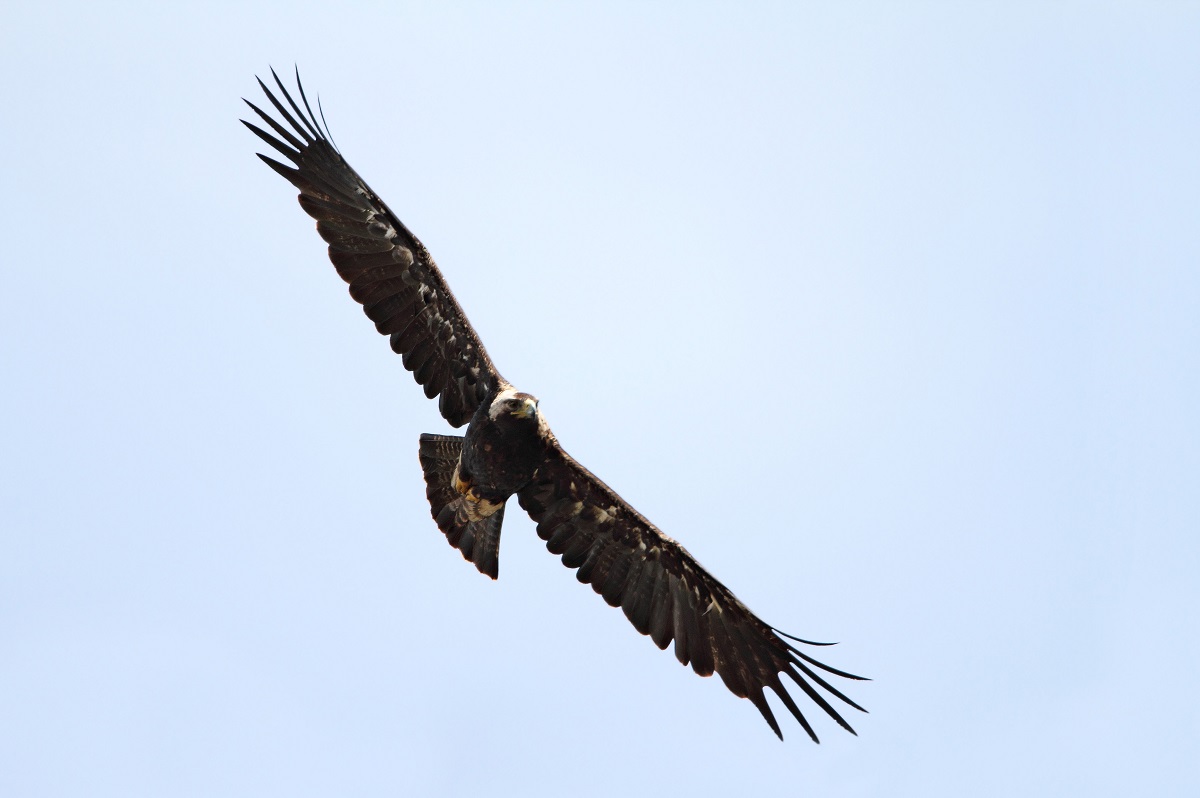
The primary objective of the project is to support the conservation of the globally threatened Eastern Imperial Eagle (Aquila heliaca) and Egyptian Vulture (Neophron percnopterus) by modernizing electricity distribution infrastructure in the participating countries. Key measures include insulating electricity poles and installing bird flight diverters on overhead power lines to reduce bird mortality and improve habitat safety. Project activities will be implemented in 14 Natura 2000 protected sites in Bulgaria and 48 Important Bird and Biodiversity Areas (IBA/KBA) in North Macedonia and Türkiye.
Electrocution on power poles is one of the leading causes of death for large birds of prey. By upgrading existing grid infrastructure with bird-safe solutions, the project delivers a long-term, practical conservation measure that benefits not only the target species but many other migratory, breeding and wintering birds across the region.
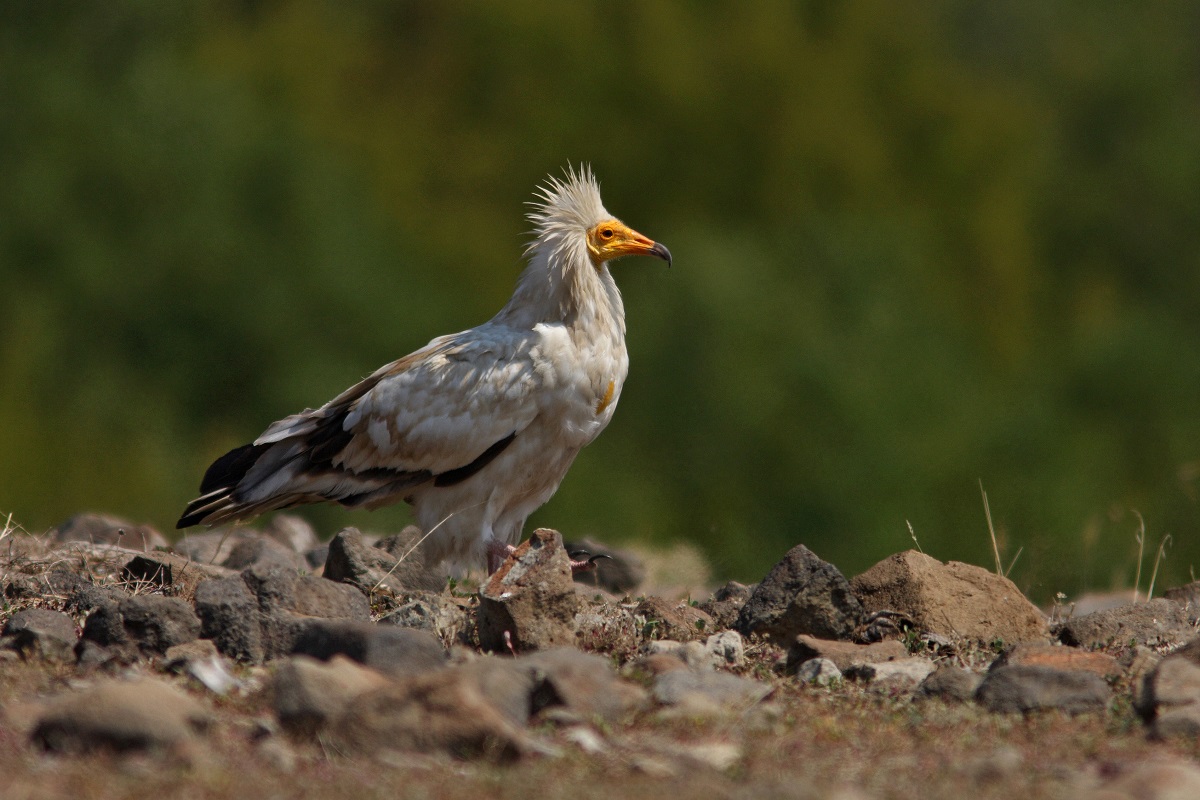 |  |  |
| © Svetoslav Spasov | © Dimitar Gradinarov | © Svetoslav Spasov |
Project Activities
Between 2025 and 2030, the project will:
Insulate 16,700 electricity poles across Bulgaria, North Macedonia, and Türkiye
Install 2,500 bird flight diverters to prevent deadly collisions
Deploy innovative monitoring technologies, including specialized drones and GIS analysis
In Bulgaria alone, works will cover 100% of the Eastern Imperial Eagle’s distribution range and 90% of the Egyptian Vulture’s range, delivering direct conservation impact in 14 Natura 2000 sites.
Project duration and funding
Project activities are planned over five years (2025–2030) and benefit of total budget of over €11.3 million, 75% co-funded by the European Commission, making this project one of the largest energy-sector biodiversity projects in South-eastern Europe. The remaining funds will be covered by the project partners, with EP Yug contributing nearly €2 million.
This initiative represents a major step forward in reducing human-caused mortality of Europe’s most endangered birds of prey, turning power grids from a threat into a conservation solution.
Coordinated international action for migratory species
This initiative closely aligns with the objectives of the Raptors MOU, which calls for coordinated international action to reduce anthropogenic threats to migratory birds of prey, including electrocution and collision with energy infrastructure. By addressing one of the most significant causes of mortality along key migratory corridors such as the Via Pontica, the project demonstrates how national-level implementation can deliver tangible conservation outcomes for globally threatened raptor populations across flyways.
“This LIFE project shows how cooperation between the energy sector and conservation organisations can deliver real benefits for migratory raptors,” said Umberto Gallo Orsi, Coordinator of the Raptors MOU. “While retrofitting dangerous infrastructure is urgently needed, we also need to embed bird-safe standards into the design of all new powerlines, so that energy transition can benefit both people and migratory raptors.”