
New Raptors MOU Resources Support Conservation of Migratory Birds of Prey Across Africa and Eurasia
The CMS Raptors Memorandum of Understanding (Raptors MOU) recently hosted two webinars launching new resources to support the conservation of migratory birds of prey across Africa and Eurasia. Bringing together government representatives, scientists and conservation practitioners, the events highlighted the importance of science-based conservation, international cooperation and knowledge exchange in addressing the challenges facing migratory raptors.
The webinars formed part of the Raptors MOU's ongoing efforts to provide countries, conservation practitioners and other stakeholders with practical resources for implementing effective conservation action. Together, the resources offer both strategic guidance for coordinated international conservation and practical lessons from on-the-ground species recovery initiatives.
The first webinar presented the report Raptors Reintroduction and Reinforcement Programmes: Experiences from the Field, which synthesizes lessons learned from conservation translocations across multiple species and regions.
The second webinar launched the Global Action Plan for the Conservation of the Steppe Eagle (Aquila nipalensis) 2026-2035 (SEGAP), adopted by the CMS Conference of the Parties and developed by the Raptors MOU, the Association for the Conservation of Biodiversity of Kazakhstan (ACBK) and the Royal Society for the Protection of Birds (RSPB).
While the two resources address different conservation needs, both emphasize the importance of evidence-based decision-making, long-term commitment and collaboration among governments, conservation organizations and other stakeholders.
Raptors Reintroduction and Reinforcement Programmes: Experiences from the Field
The first webinar, held on 11 June 2026, brought together experts from the Environmental Research Institute (UK), the Vulture Conservation Foundation, the Mohammed Bin Zayed Raptor Conservation Fund, and the Bulgarian Society for the Protection of Birds, representing leading research and conservation organizations working on raptor ecology, species recovery, and biodiversity conservation across Europe and the Middle East. The webinar attracted attendees from across the region and beyond, reflecting strong interest in the practical experiences and lessons emerging from raptor reintroduction and reinforcement programmes. The event explored findings from the report Raptors Reintroduction and Reinforcement Programmes: Experiences from the Field, published by the Raptors MOU, which examines conservation translocations across multiple countries and species. Drawing on case studies and expert interviews, the report reviews regulatory frameworks, technical approaches, stakeholder engagement, funding mechanisms and ecological outcomes to identify factors that contribute to successful programmes.
A key takeaway was that conservation translocations are complex, long-term interventions requiring strong scientific justification, careful planning, and sustained investment. Successful programmes depend on robust feasibility assessments, suitable habitats, effective threat mitigation, supportive regulatory frameworks and long-term monitoring to enable adaptive management. Participants also noted that no single release method is appropriate in every situation, with approaches such as hacking, fostering and delayed release proving effective depending on the species and context.
The report stresses that conservation translocations should only be undertaken where the threats responsible for population declines have already been addressed or are being effectively mitigated. One example discussed was the Egyptian Vulture conservation programme in Bulgaria. Long-term monitoring and population viability analyses showed that, despite sustained conservation efforts, the population would continue to decline without reinforcement. This evidence supported a strategy combining ongoing flyway-scale threat reduction with the release of captive-bred birds, demonstrating how reinforcement can complement rather than replace conventional conservation measures.
The webinar also emphasized that successful translocations rely not only on sound ecological science but also on effective governance, long-term partnerships and meaningful engagement among governments, local communities, conservation organizations and funding bodies.
Looking ahead, participants emphasized the importance of continued knowledge exchange, international collaboration and the sharing of lessons learned to strengthen future raptor reintroduction and reinforcement programmes across the Raptors MOU region. Ongoing monitoring and evaluation of existing projects will also be essential to inform best practices and improve conservation outcomes.
One Species, 62 Range States: Launching the Global Action Plan for the Conservation of the Steppe Eagle
The second webinar, held on 23 June 2026, marked the launch of the Global Action Plan for the Conservation of Steppe Eagle (Aquila nipalensis) (2026–2035) (SEGAP) and contributed to the promotion and implementation of this landmark framework following its adoption by the CMS 15th Conference of the Parties in March 2026. Developed jointly by the Raptors MOU, the Association for the Conservation of Biodiversity of Kazakhstan (ACBK), and the Royal Society for the Protection of Birds (RSPB), the SEGAP provides a coordinated framework for conserving the species across its extensive range. The webinar brought together participants from across the species' range and beyond, creating an opportunity to discuss priorities for implementation and international collaboration.
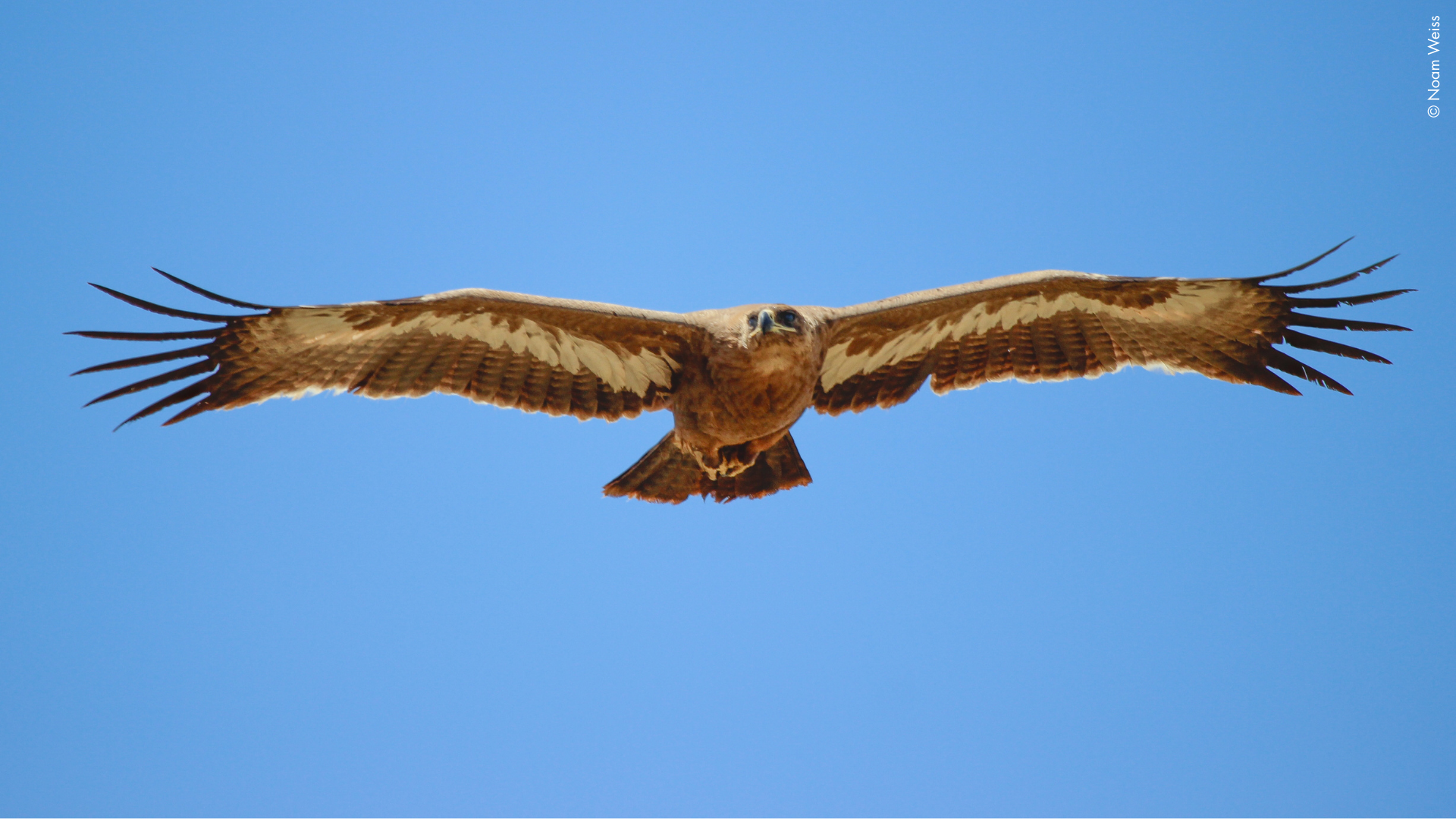
Occurring in 62 range states, the steppe eagle depends on a network of breeding, migration, stopover and wintering habitats stretching across Europe, Asia, and Africa. Listed as Endangered on the IUCN Red List, the species continues to decline because of multiple threats operating across national borders. Participants emphasized that no single country could address these pressures alone, making international cooperation essential.
Recognizing the need for a coordinated response, CMS Parties adopted the SEGAP, which sets out a shared vision to ‘Halt and reverse the decline of steppe eagles by delivering innovative actions in science-based conservation and community engagement across its whole range’. The Plan provides a strategic framework to guide conservation efforts across all 62 range states and to strengthen cooperation among governments, conservation organizations and other stakeholders.
Discussions focused on translating the Action Plan into practical national and regional projects. Strengthening legislation, improving coordination among stakeholders, securing long-term financial and technical resources, and enhancing monitoring and data sharing were all identified as priorities for successful implementation.
The webinar also highlighted emerging threats requiring further research. Alongside well-established pressures such as electrocution, persecution and habitat degradation, participants discussed the potential impacts of veterinary pharmaceuticals and agricultural chemicals, including non-steroidal anti-inflammatory drugs such as diclofenac. Expanding toxicological monitoring and strengthening research across under-studied parts of the species' range were identified as important next steps.
Participants were also encouraged to make use of the resources available through the Raptors MOU website, including the full SEGAP, summary versions in four languages, and factsheets in English and Arabic. These materials are intended to support awareness-raising, implementation and engagement with the conservation actions outlined in the Plan across the species' range.
New Raptors MOU Resources for Conservation Action
The two webinars showcased newly launched Raptors MOU resources designed to support governments, conservation practitioners and other stakeholders in implementing effective conservation action for migratory birds of prey. By providing both strategic guidance and practical experience, they strengthen the support available to stakeholders working to conserve migratory birds of prey across Africa and Eurasia.