
Raptors Reintroduction and Reinforcement Programmes: Experience from the field
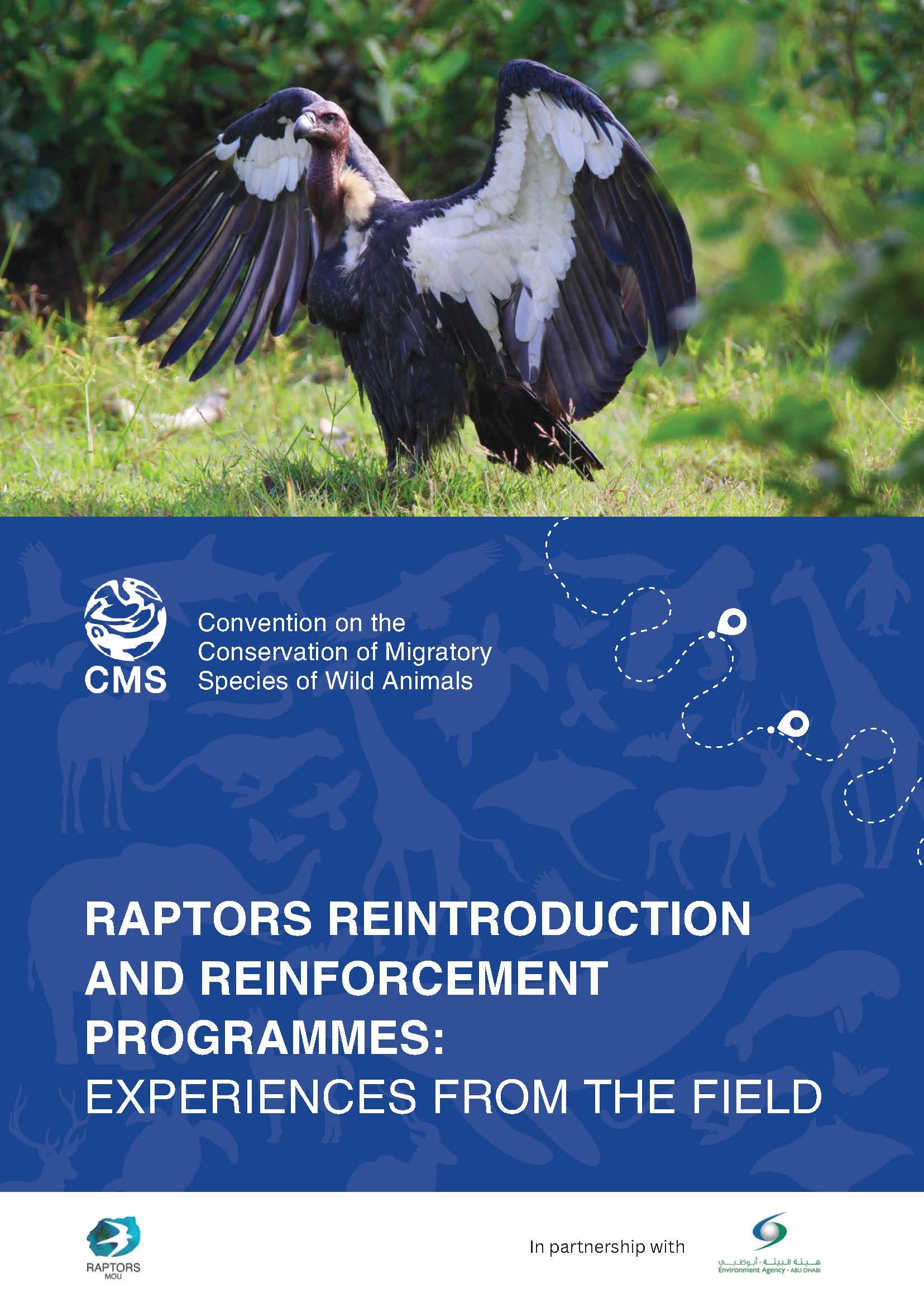
This report provides an in-depth review of selected raptors reintroduction and reinforcement programmes across multiple countries, with a focus on the regulatory frameworks, methodologies, stakeholder engagement, funding mechanisms, and ecological outcomes. It draws on case studies and semi-structured interviews with key practitioners and policy experts involved in conservation programmes. Methodologies vary across projects and programmes, with release strategies including hacking, fostering, and delayed release, each with differing levels of success. Community engagement and outreach, although limited in earlier programmes, are now recognised as critical for long-term success and stakeholder buy-in.
The findings indicate that the success of reintroduction programmes is dependent on several core components: adherence to regulatory frameworks, comprehensive feasibility studies, removal or minimisation of threats, effective stakeholder collaboration, and long-term financial and technical support. In all successful cases, habitat suitability, threat mitigation and sustained post-release monitoring were foundational to the programme’s success.
| Attachment | Size |
|---|---|
| Raptors Reintroduction and Reinforcement Programmes: Experience from the field | 14.42 MB |