
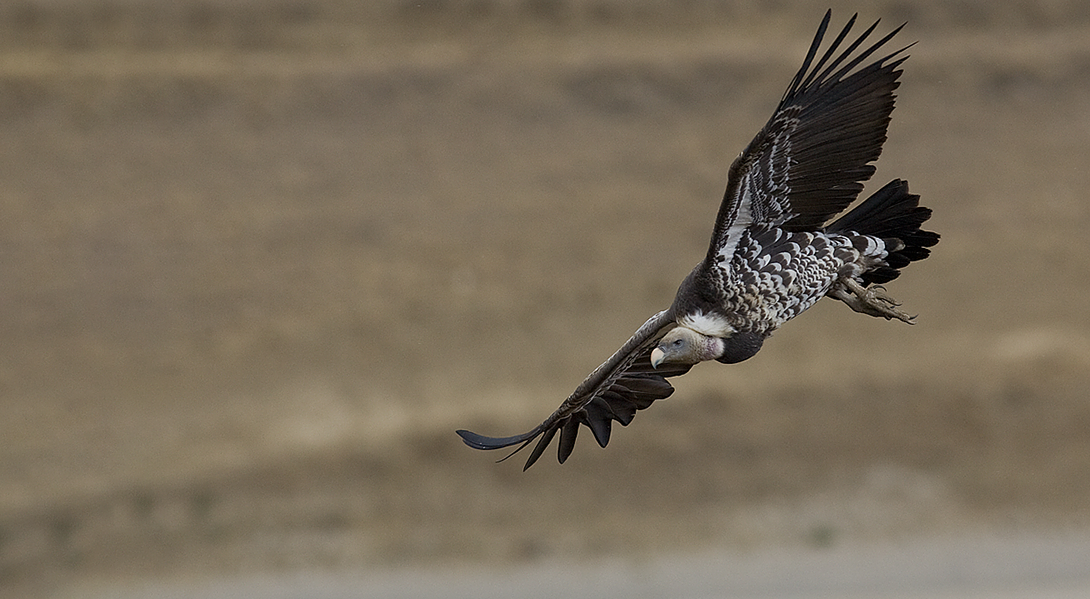
National and Regional Leadership Strengthens Raptor Conservation
Photo: Rüppells Vulture © Andre Botha
Abu Dhabi, 26 January 2026 | Paragraph 12 of the Raptors Memorandum of Understanding (MOU) requires Signatories to develop national or regional strategies, or equivalent instruments, for the conservation Category 1[1] and, where appropriate, Category 2[2] raptor species, as listed in Table 1 of the MOU’s Action Plan.
The Coordinating Unit of the Raptors MOU warmly congratulate Morocco on the development of its National Raptor Conservation Strategy, as well as Bulgaria, Croatia, Kenya, South Africa and Tanzania on the preparation of their National Action Plans for the Conservation of Vultures.
The Coordinating Unit also welcomes the development of several regional vulture conservation strategies and action plans. Bangladesh, Cambodia, India, Myanmar, Nepal and Pakistan have work collaboratively to update the Blueprint for the Recovery of South and South-East Asia’s Globally Threatened Vultures, developed under the framework of the SAVE consortium. In addition, congratulations are extended to the Southern African Development Community (SADC) for the approval of the SADC Vulture Conservation Strategy and Action Plan. Further progress has been achieved with the endorsement of the West Africa Vulture Conservation Action Plan by CMS Standing Committee.
The newly adopted plans and strategies are outlined below and presented in alphabetical order, first by country and then by region.
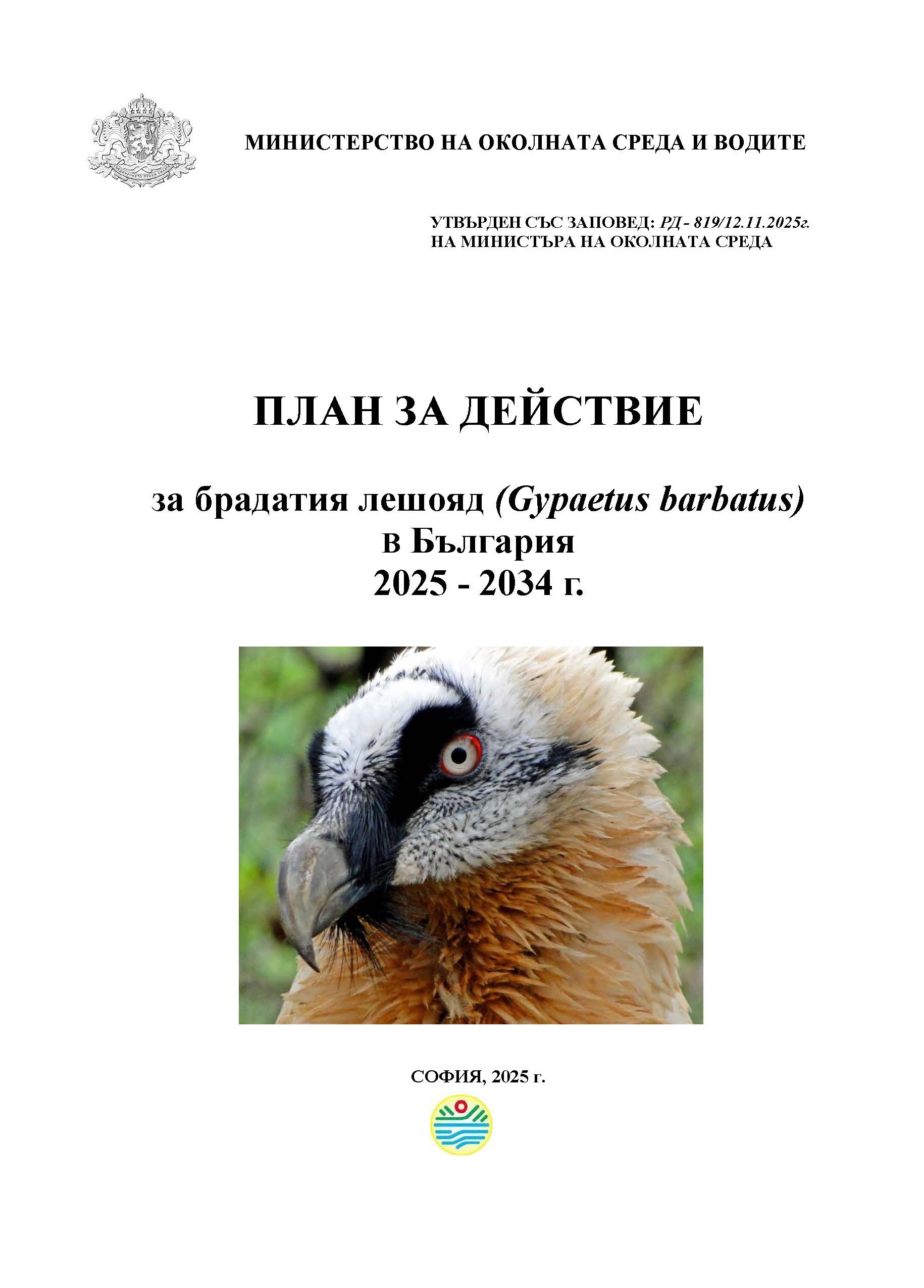 | Bulgaria:
|
 | Croatia: The Management Plan for the Griffon Vulture (Gyps fulvus) with Action Plan including an Action Plan was adopted by the Croatian Ministry of Environment and Green Transition. Covering the species’ entire national range, the plan includes a ten-year action programme (2025–2035) aimed at achieving and maintaining favourable conservation status. |
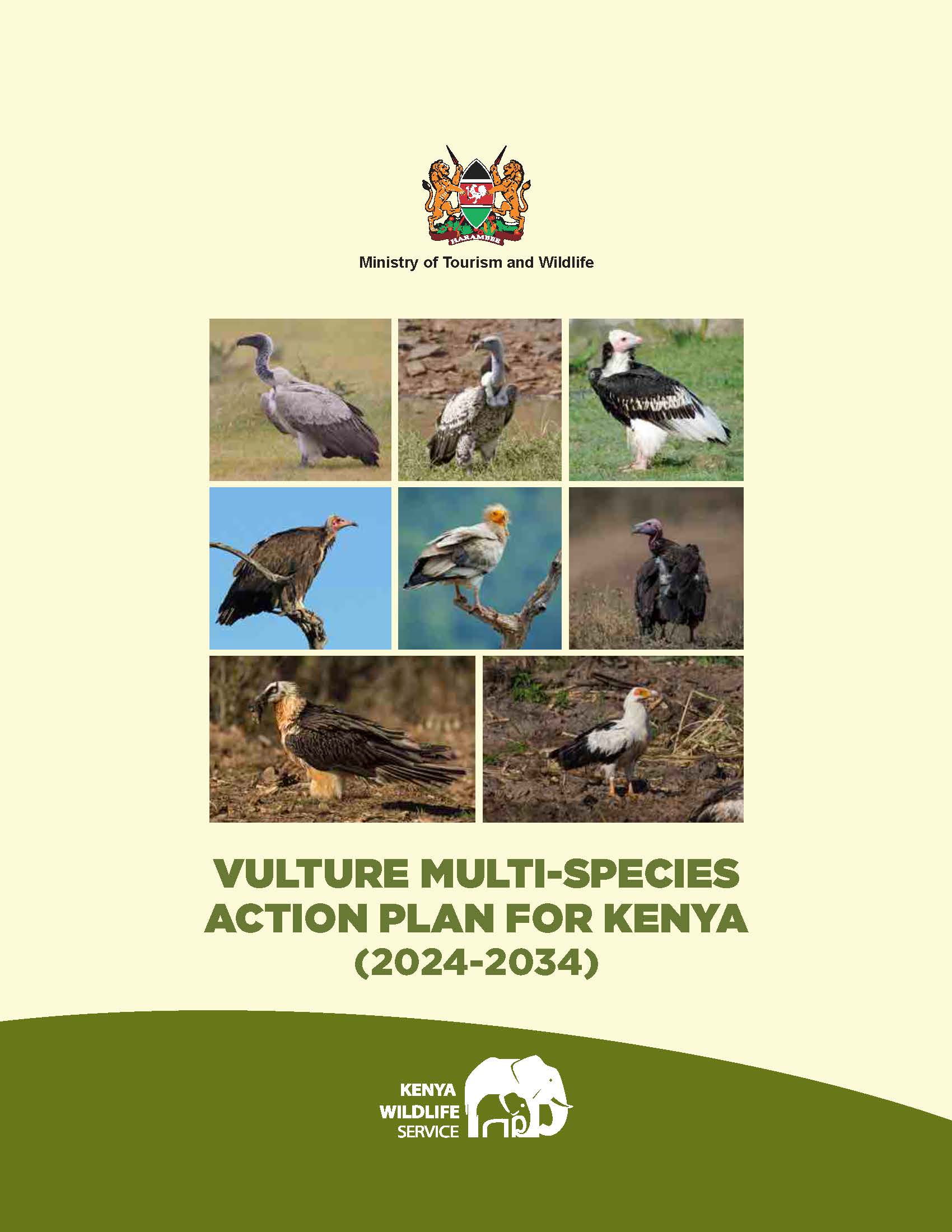 | Kenya: The Vulture Multi-Species Action Plan for Kenya (2024–2034) was published by the Kenya Wildlife Service (KWS) under the Ministry of Tourism and Wildlife. This ten-year national conservation action plan provides strategic objectives, measures, and defined stakeholder roles to address the dramatic decline of Kenya’s vulture populations. |
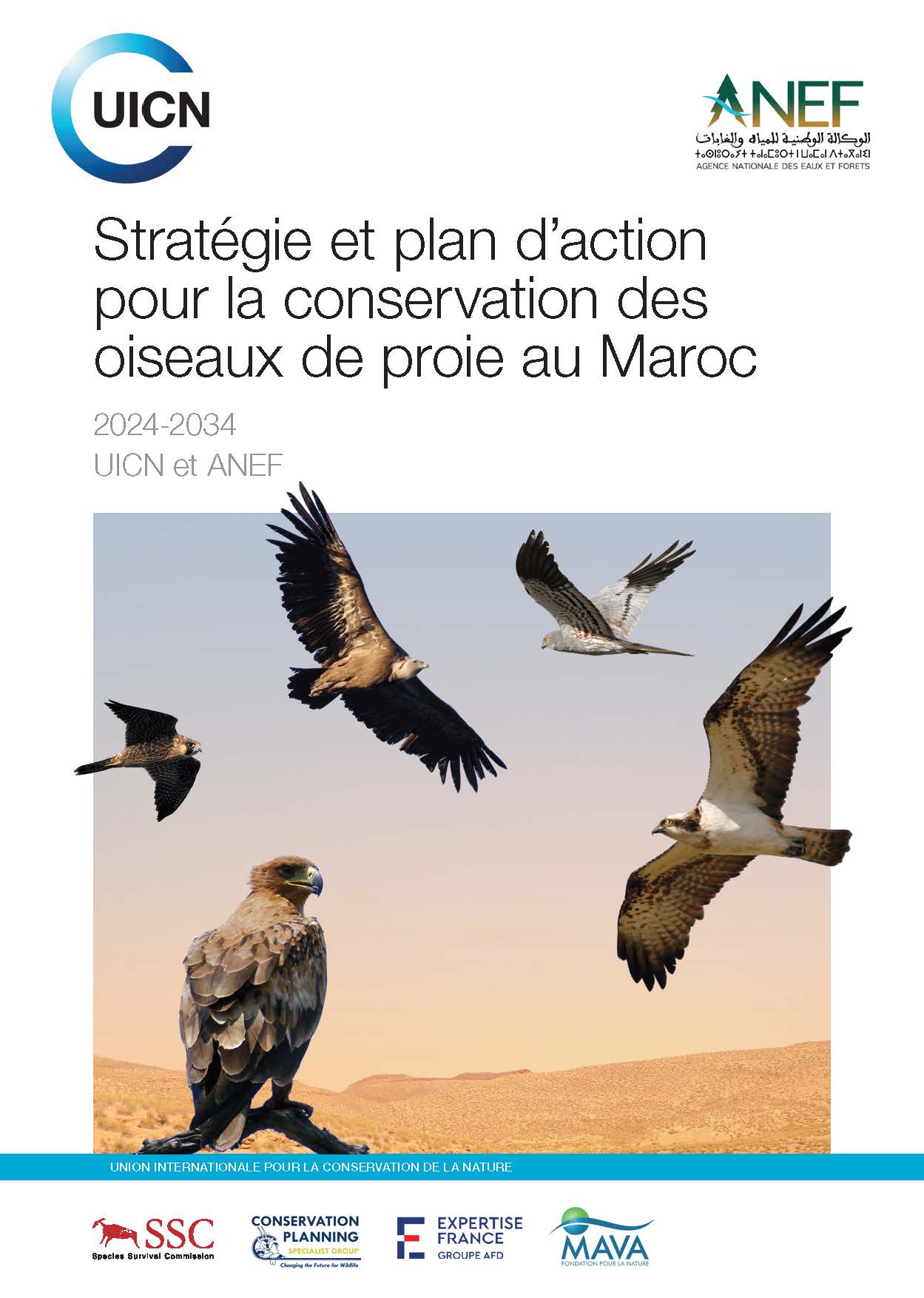 | Morocco: The National Strategy for the Conservation of Birds of Prey in Morocco 2024–2034 was developed by Moroccan National Water and Forestry Agency (ANEF) in collaborations with the International Union for Conservation of Nature (IUCN) . The strategy sets objectives, priorities and actions for the conservation of twelve migratory and resident raptor species across the country. |
 | South Africa: The Biodiversity Management Plan for the Conservation of Seven Vulture Species in South Africa (2024–2034) was published by the Department of Forestry, Fisheries and the Environment. This ten-year national plan identifies strategic objectives, priority measures and stakeholder roles to address ongoing population declines and support the recovery of all seven resident breeding vulture species. |
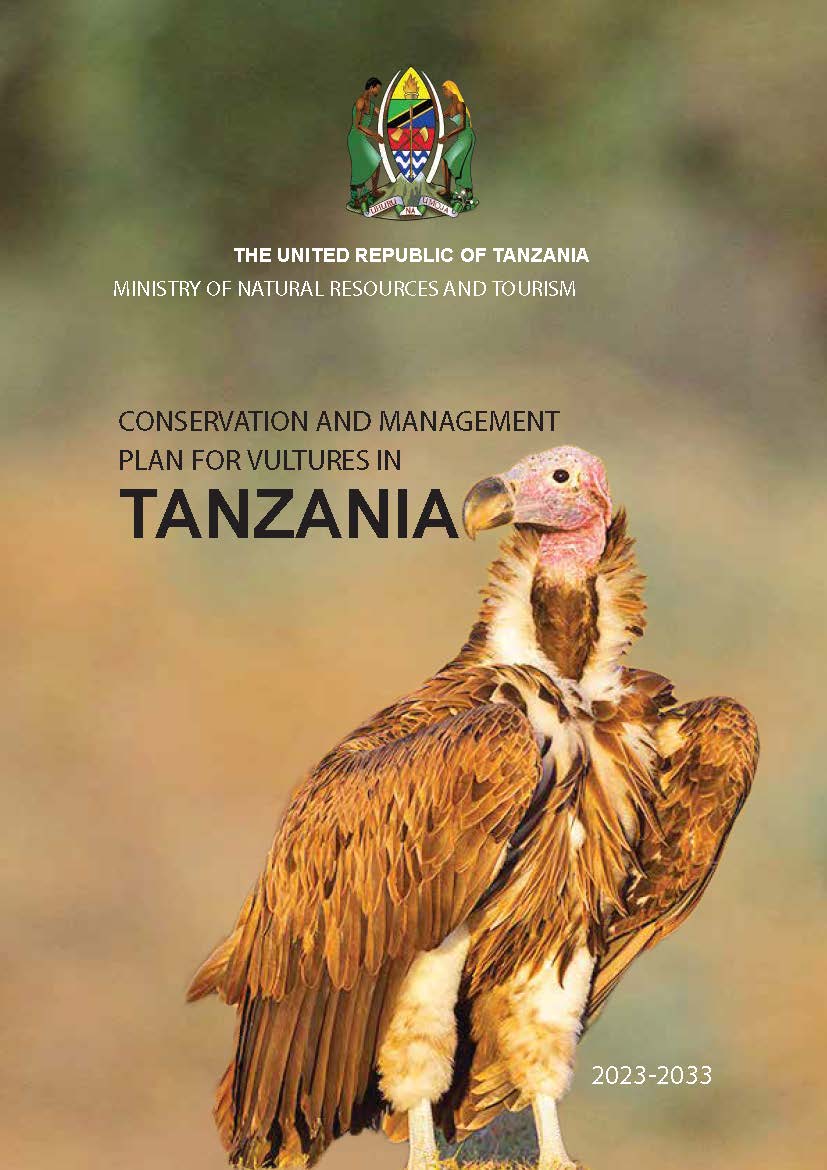 | Tanzania: The Conservation and Management Plan for Vultures in Tanzania (2023–2033) was developed under the leadership of the Ministry of Natural Resources and Tourism, with technical input from the Tanzania Wildlife Research Institute (TAWIRI) and partner organisations. The plan sets out strategic objectives, priority actions, and stakeholder responsibilities to counter severe population declines.
|
 | Southern African Development Community (SADC): The SADC Vulture Conservation Strategy and Action Plan 2025–2035 was developed by SADC and partner organisations to provide a regional framework for coordinated action to reverse the dramatic decline of vulture populations across southern Africa. Its geographical scope encompasses the twelve SADC vulture range states: Angola, Botswana, the Democratic Republic of Congo, Eswatini, Lesotho, Madagascar, Malawi, Mozambique, Namibia, South Africa, Tanzania and Zambia. |
 | South and South-East Asia: The Blueprint for the Recovery of South and South-East Asia’s Globally Threatened Vultures (2025) was developed by the Saving Asia’s Vultures from Extinction (SAVE) partnership and provides a subregional framework for coordinated conservation action. The Blueprint outlines agreed priorities, actions and stakeholder roles to halt population declines and support recovery across Bangladesh, Cambodia, India, Myanmar, Nepal and Pakistan. |
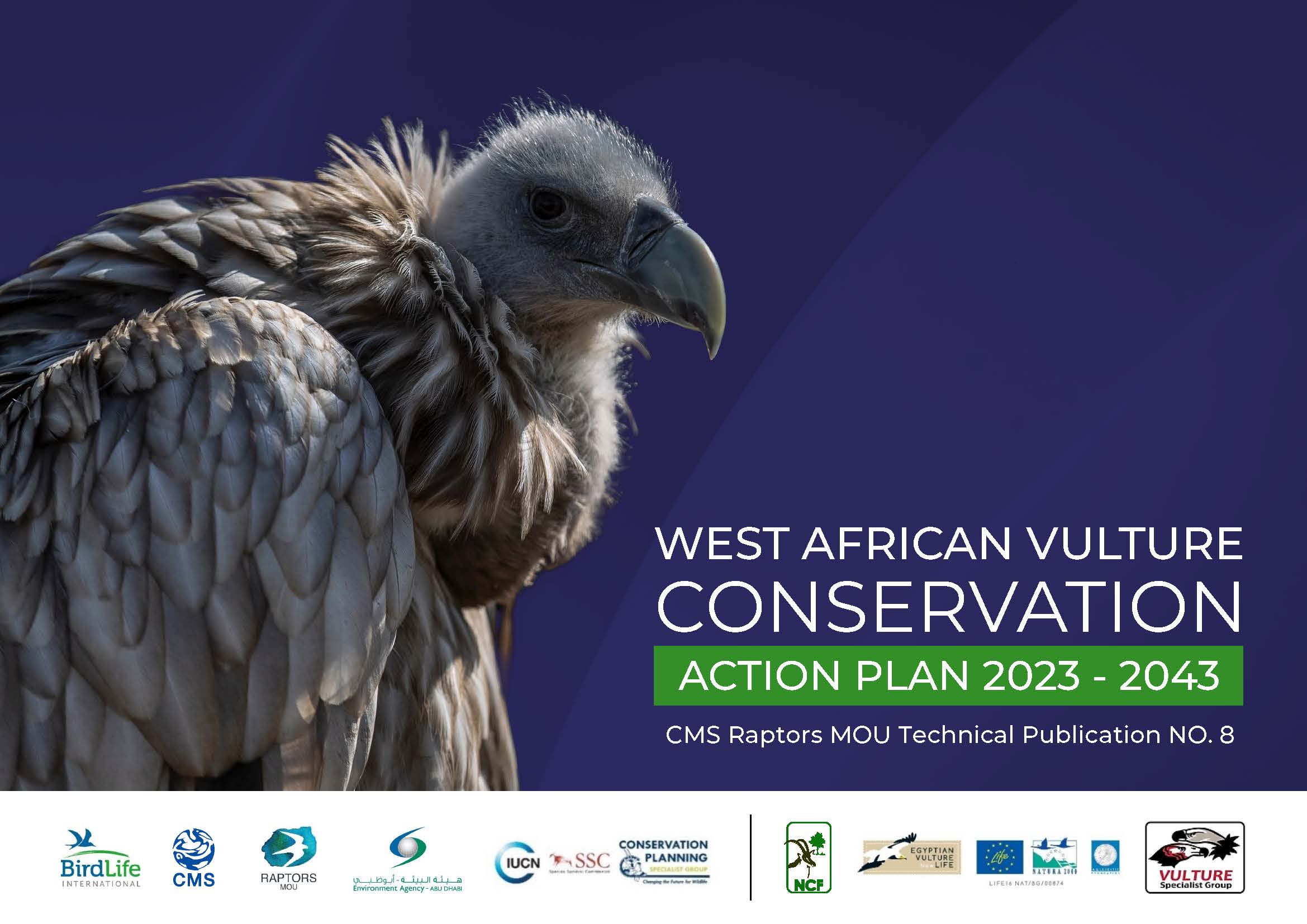 | West Africa: The West African Vulture Conservation Action Plan (2023–2043) was developed by the Raptors MOU Coordinating Unit through a collaborative process with BirdLife International, IUCN and regional governments, conservation organizations and regional experts. This twenty-year subregional plan establishes strategic objectives, priority actions and clearly defined stakeholder roles to address the critical decline of vultures across West Africa. Its geographical scope includes Benin, Burkina Faso, Cameroon, Chad, Côte D'Ivoire, Gambia, Ghana, Guinea, Guinea-Bissau, Liberia, Mali, Niger, Nigeria, Senegal, Sierra Leone and Togo. |
These initiatives represent crucial steps towards halting population declines and securing the future of birds of prey. By taking a leading role at national and regional levels, the Signatories and Cooperating partners set an important example for raptor conservation across the Raptors MOU region and beyond.