Experts Convene in Kazakhstan to Identify Conservation Solutions for Endangered Steppe Eagle
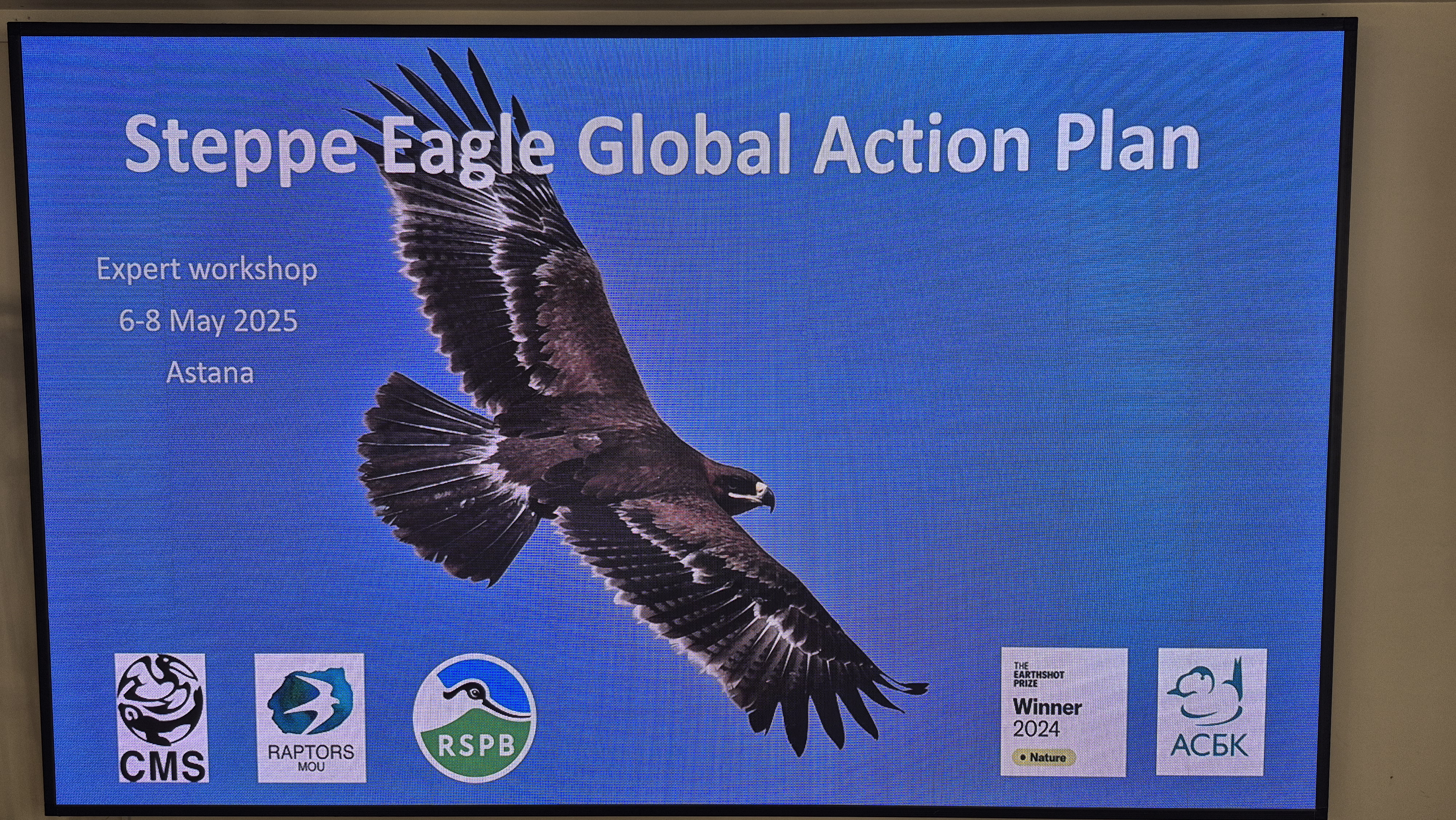
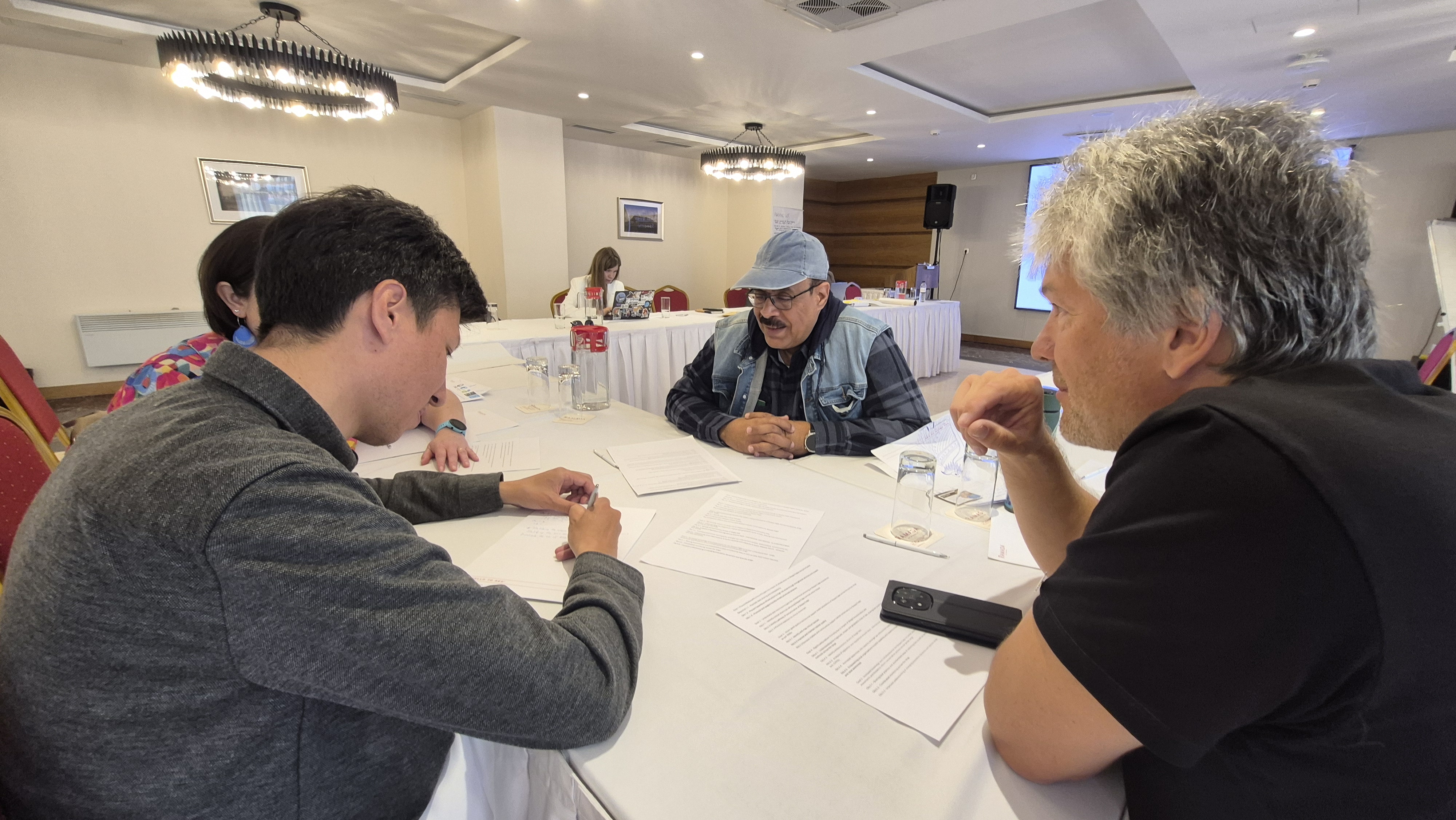
Astana, Kazakhstan – The endangered Steppe Eagle was the focus of an urgent conservation action planning meeting held in Astana, Kazakhstan, from 6-8 May 2025. Top experts on the species gathered to define concrete conservation actions aimed at halting and reversing the rapid population decline of this iconic raptor.
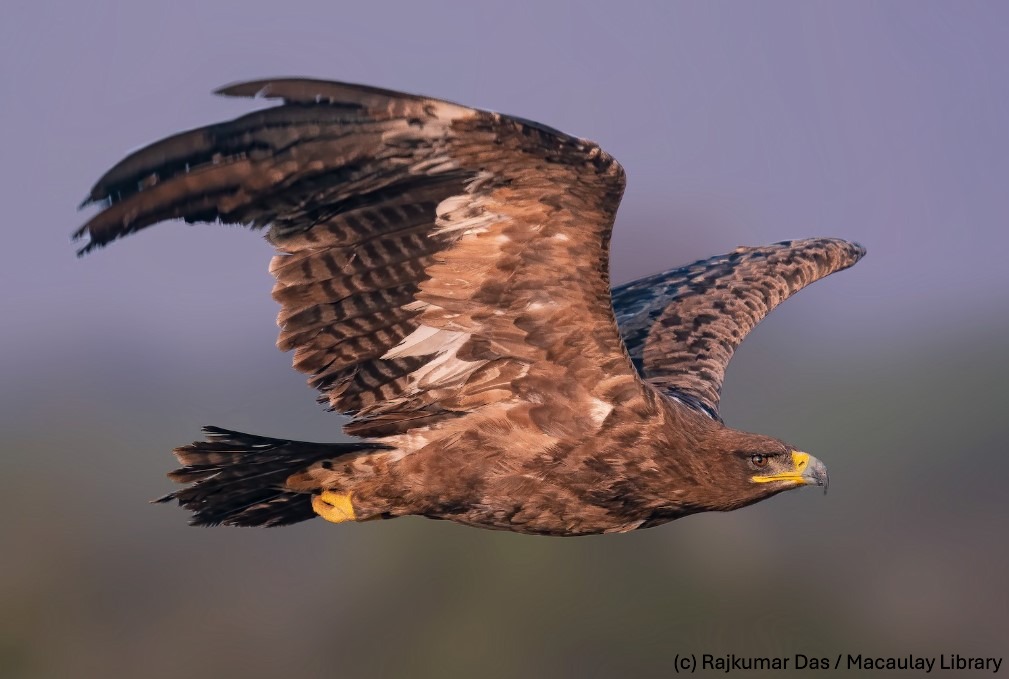
The Steppe Eagle (Aquila nipalensis), breeds across the steppes from Türkiye to China, with more than 80% breeding in Kazakhstan feeding on rodents and small mammals. As a flagship species of the Central Asian Flyway, each year it undertakes extensive migrations to Southeast Asia, South Asia, the Arabian Peninsula, and East Africa in the non-breeding season. The International Union for Conservation of Nature (IUCN) Red List classifies the species as Endangered due to its sharp population decline, particularly in the western parts of its range.
Recognizing the severity of the situation, the species is listed in both Appendix I and II of the Convention on Migratory Species (CMS) and falls as Category 1 (Priority species) under the Memorandum of Understanding on the Conservation of Migratory Birds of Prey in Africa and Eurasia (Raptors MOU). The Raptors MOU Technical Advisory Group identified the development of a Global Action Plan for the Steppe Eagle as a top priority. This urgency was further underscored at the 14th Conference of the Parties (COP14) to the CMS in February 2024, which noted the critical need for international cooperation in Resolution 12.12 (Rev.COP14) and Decision 14.145.
To facilitate this crucial initiative, the Raptors MOU Coordinating Unit has established a Compilers Group, led by Jenny Weston, Senior Species Recovery Officer at the Royal Society for the Protection of Birds (RSPB). This group is tasked with drafting the Action Plan. A broader Expert Group was gathered in Astana for the workshop. These experts, along with representatives from CMS Parties and Raptors MOU Signatories, is providing vital information on the species' status in their respective countries and will be invited to comment on the first draft of the Action Plan this summer. The goal is to finalize the Steppe Eagle Global Action Plan in time for the Scientific Council Sessional Committee Meeting scheduled for December 2025 and to launch Action Plan at CMS COP15 in March 2026.
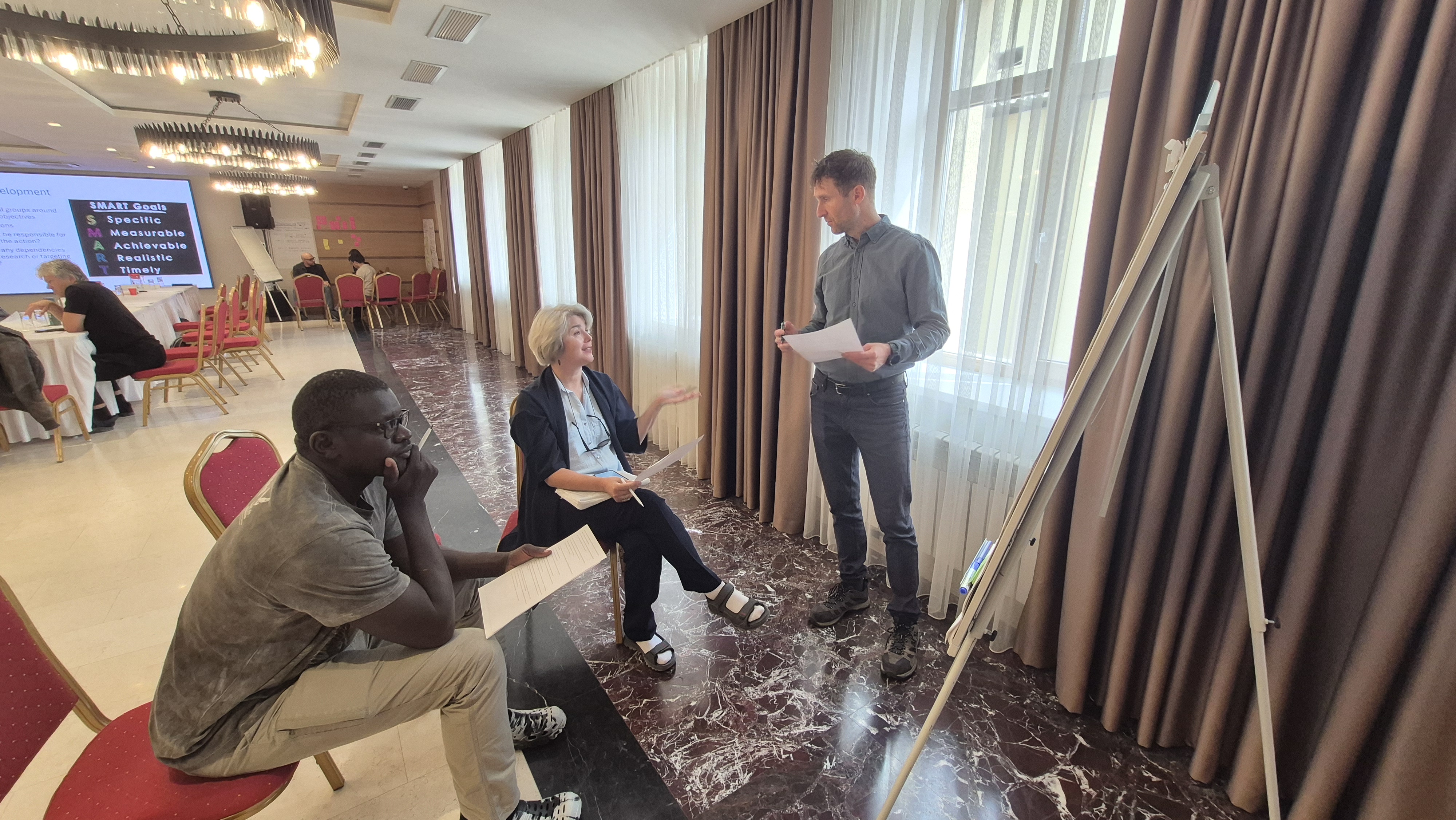
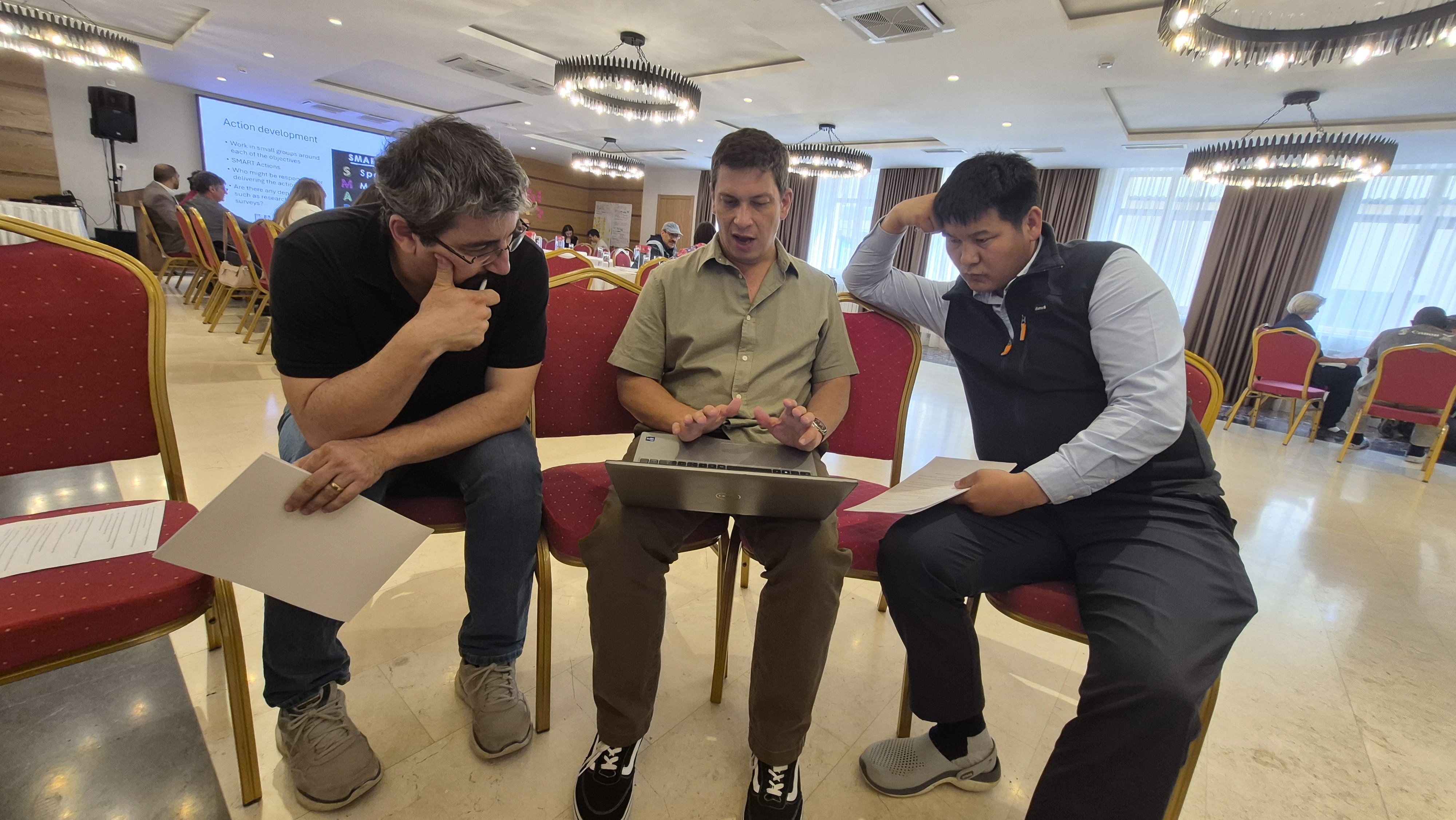
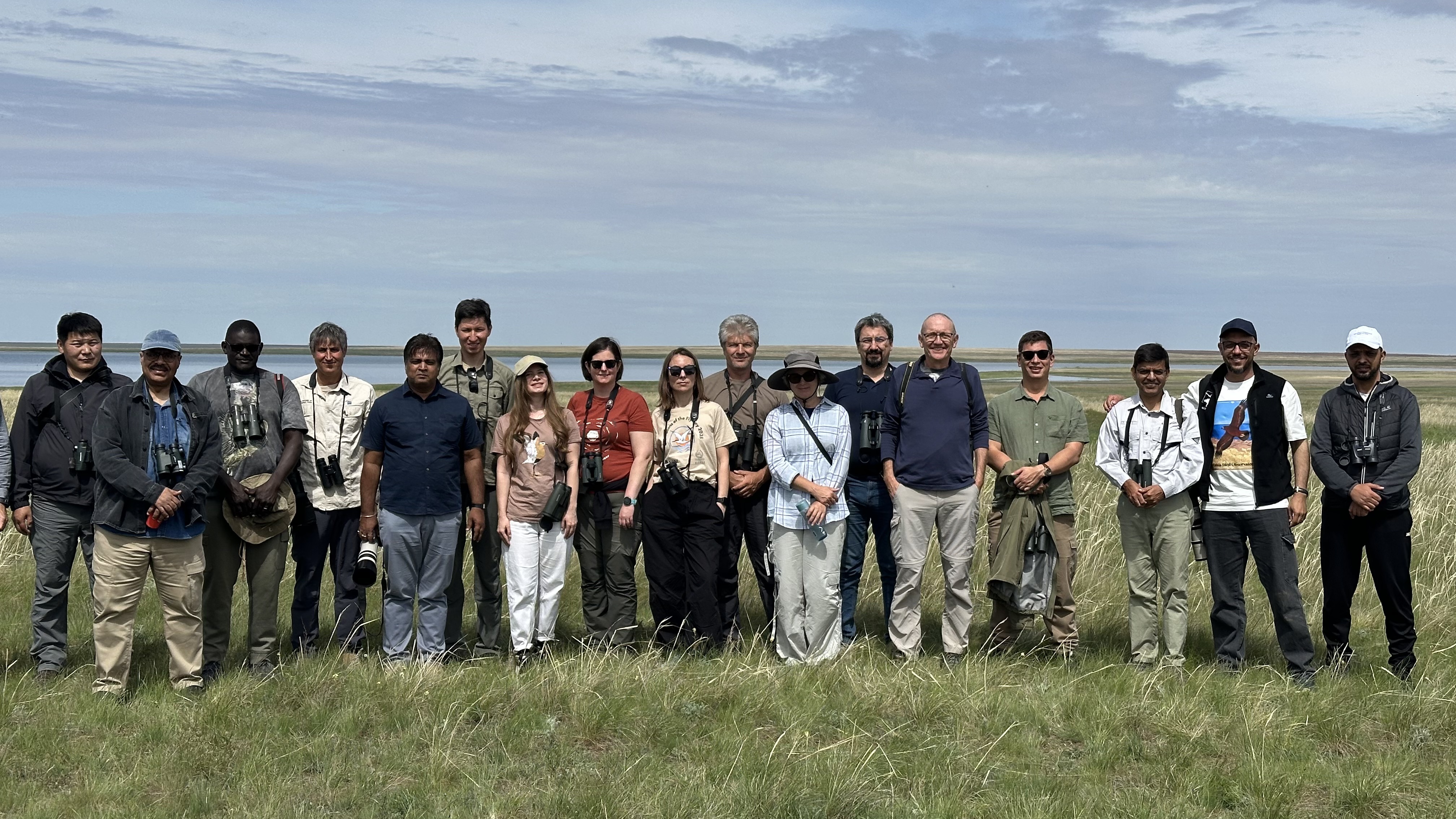
The recent workshop in Astana was organized by the Altyn Dala Conservation Initiative (specifically RSPB and Association for the Conservation of Biodiversity in Kazakhstan (ACBK)) and CMS Raptors MOU, with financial support from The Earthshot Prize. Gathering together experts from across the species’ global range was a pivotal step in the action plan development process. More than twenty experts joined in person with additional delegates able to contribute online.
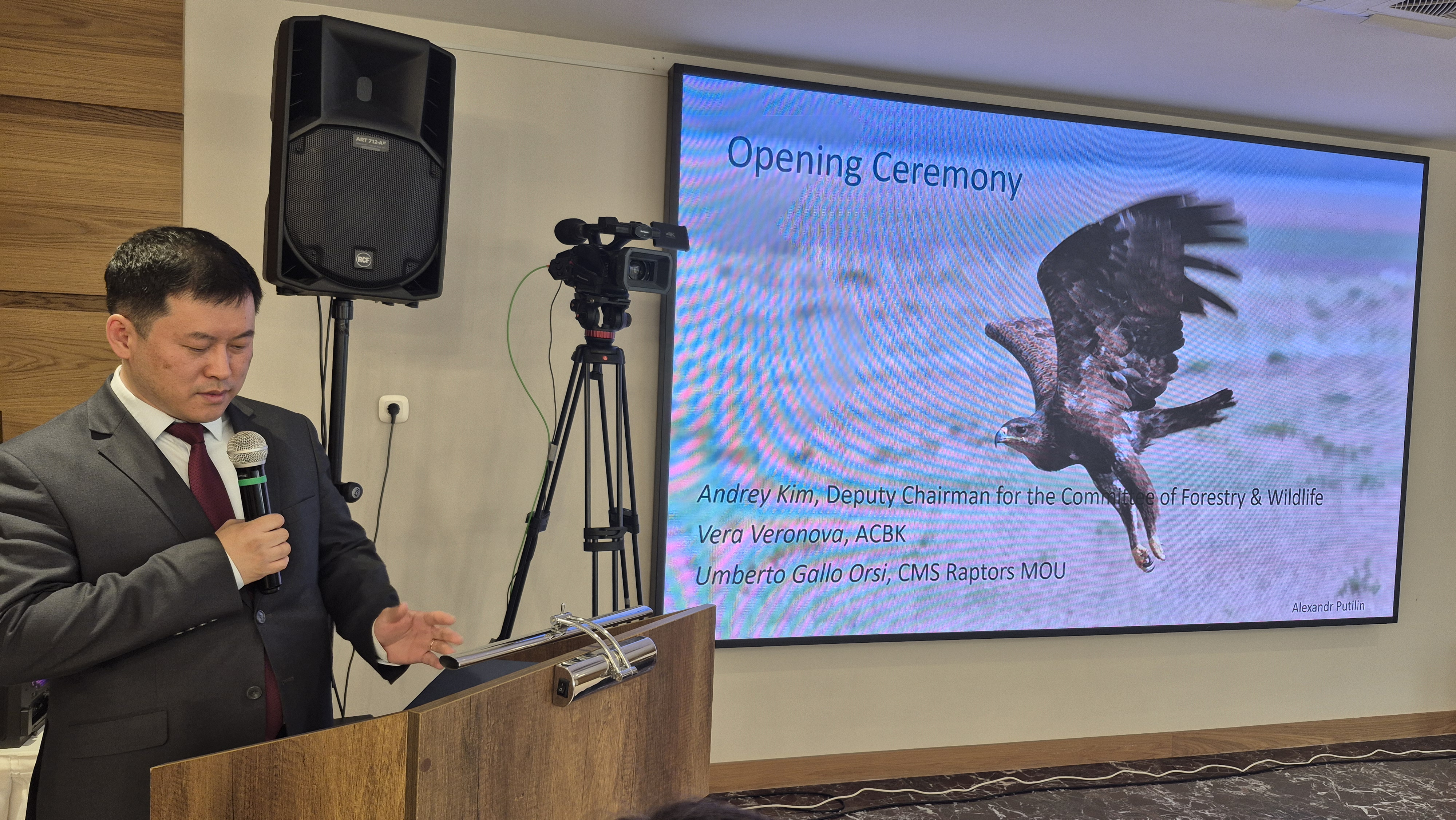
Dr. Andrey Kim, Deputy Chairman of the Committee for Forestry and Wildlife of the Ministry of Ecology and Natural Resources of the Republic of Kazakhstan and National Contact Point of the Raptors MOU, opened the meeting, emphasizing Kazakhstan's commitment to the cause: "Holding this meeting in our capital underlines our commitment to international cooperation in the field of biodiversity conservation. Kazakhstan supports fully the resolutions of the 14th Meeting of the Parties to the CMS Convention on the need to jointly develop a Global Action Plan for the Steppe Eagle."
Umberto Gallo-Orsi, Programme Management Officer of the Raptors MOU added: "Gathering together the top experts on the species is a guarantee that the identified threats and priority actions to ensure a future for this iconic species are based on solid science and firsthand experience. Holding the meeting in Kazakhstan, home to so many Steppe Eagles is of particular relevance."
Gallery images